This method uses a one-class support vector machine (one-class SVM) to analyze the characteristic differences between niacinamide and niacin in UV spectra.
The DRAKES algorithm implements for the first time differentiable reward backpropagation for fully generated trajectories in a discrete diffusion model.
HyperAI has compiled multiple material science data sets and one-click deployment tutorials, covering key areas such as quantum materials, inorganic materials, and crystal structures.
The protein engineering design platform VenusFactory achieves one-stop optimization of data retrieval/model training/benchmark evaluation, lowering the threshold for AI4S applications.
Professor Luo Xiaozhou from the Shenzhen Institute of Advanced Technology of the Chinese Academy of Sciences shared the innovative application and practice of AI in the field of enzyme engineering
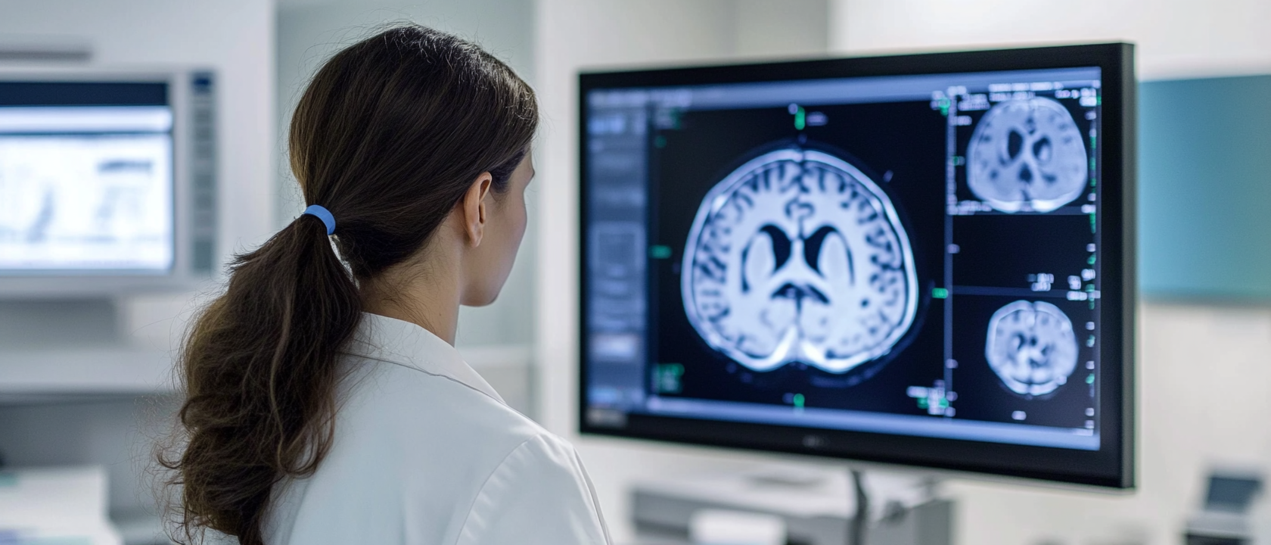
The Shanghai Artificial Intelligence Laboratory and several well-known universities jointly proposed the MaMI (Modality-adaptive Medical Identifier) model with excellent performance
The University of Cambridge, together with other universities and research centers, launched the Aardvark Weather forecasting system, providing a new path for the development of future weather forecasting technology
Dr. Yuan Fajie from Westlake University shared the latest research progress and team research results of protein language model at the "AI Protein Design Summit"
A team from the University of Tokyo in Japan developed the STAIG deep learning framework, which can integrate gene expression, spatial data, and histological images without alignment.
The Multi-Agent Dialogue (MAC) framework based on GPT-3.5 and GPT-4 significantly improves the diagnostic capabilities of LLMs and is expected to become an important auxiliary tool for doctors
EchoONE, a unified segmentation model for multi-section echocardiography, can accurately segment the cardiac structure of multi-section echocardiography, effectively reducing the complexity of the design model
Professor Zhang Yang's team from the National University of Singapore proposed a high-precision RNA structure prediction framework DRfold2 based on deep learning, and the unsupervised contact prediction accuracy is higher than the existing methods
Professor Sheng Bin's team from Shanghai Jiao Tong University, in collaboration with several universities, has evaluated several mainstream large language models, opening up new research directions for the application of large models in the medical field.