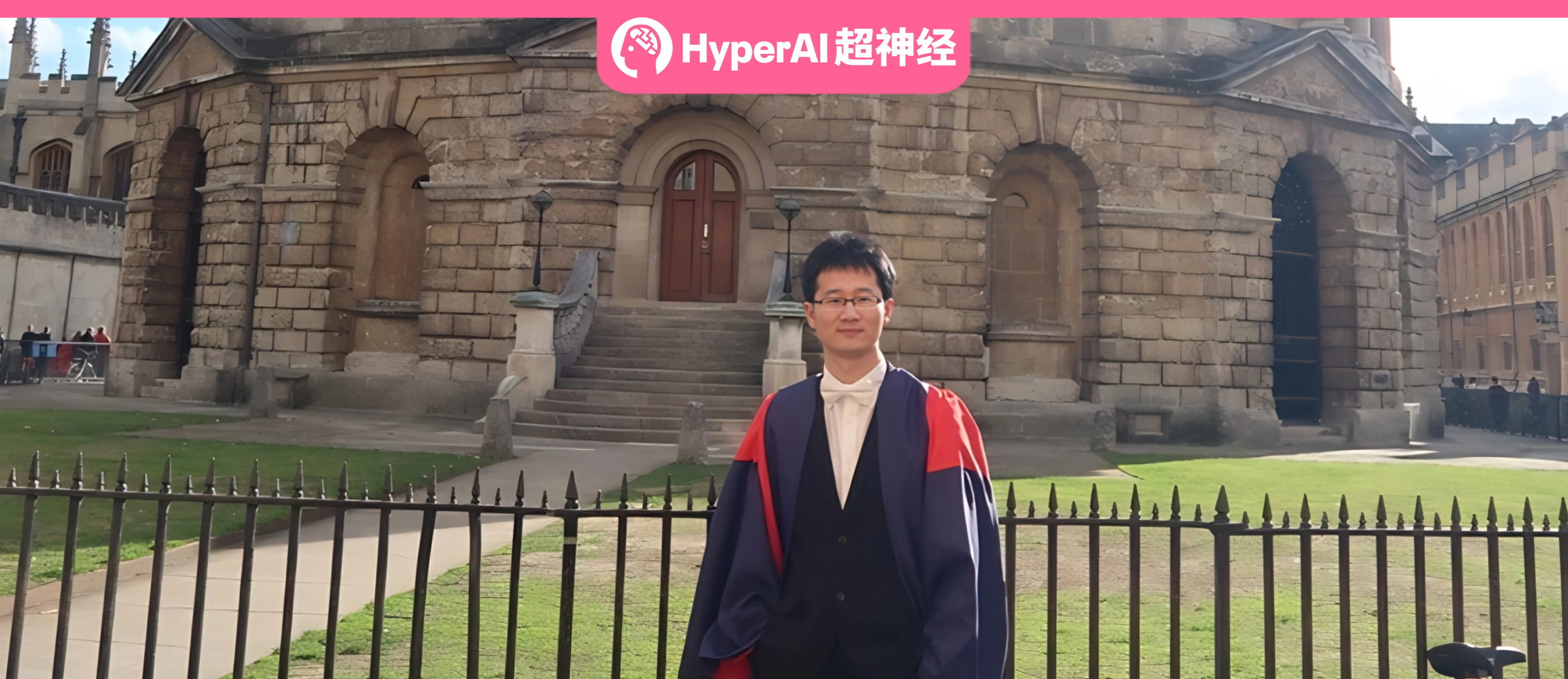
Professor Xie Weidi of Shanghai Jiao Tong University shared his experience in transforming from computer vision to medical AI and made an in-depth analysis of the future development trends of the industry.
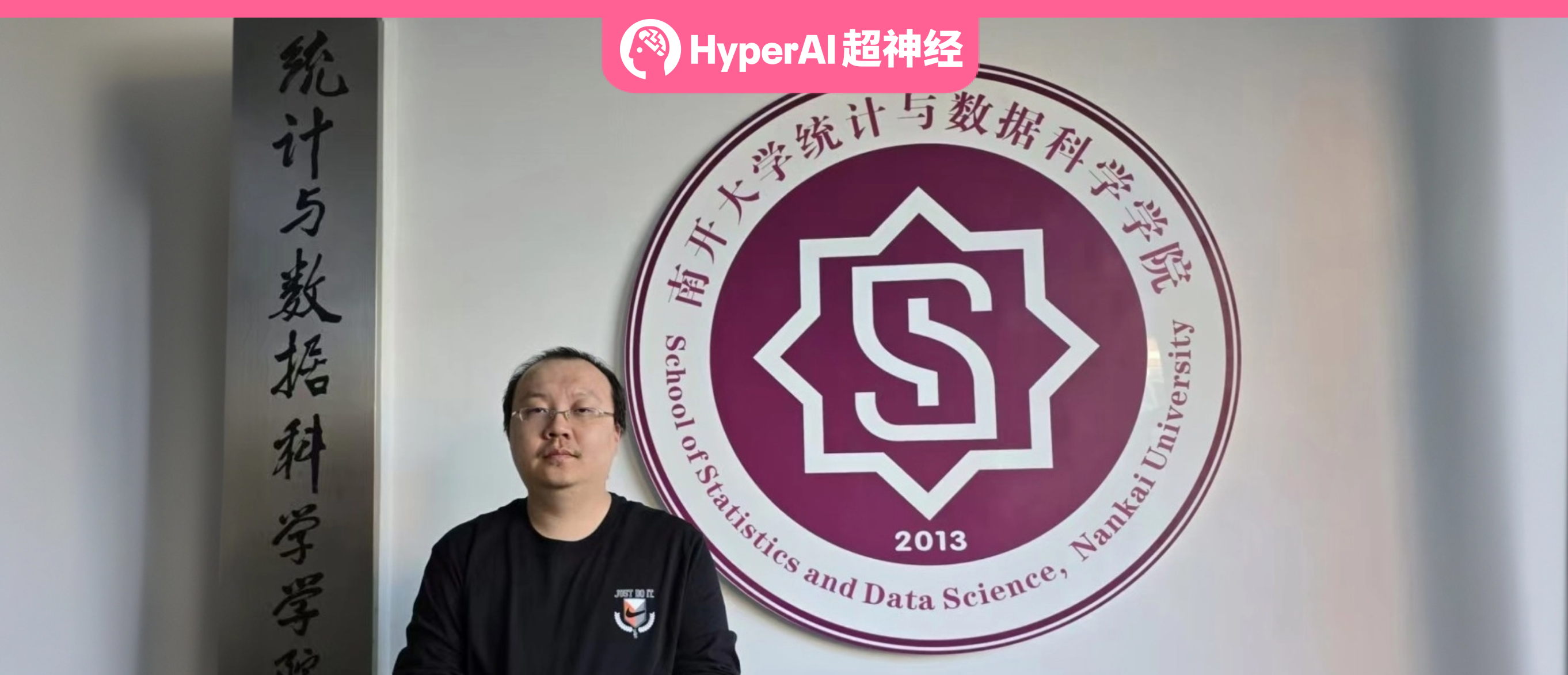
The sixth episode of the Meet AI4S live series has invited Professor Zheng Wei from the School of Statistics and Data Science of Nankai University. Come and make an appointment to watch the live broadcast!
Xu Zhengtong, a doctoral student at Purdue University, shared the two major scientific research results of LeTac-MPC and UniT and their research technical routes under the topic of "Data-Efficient Tactile Representation for Robot Learning".
Review of high-impact events in the AI4S field in 2024, including policies of multiple countries, scientific research breakthroughs, pioneers, corporate layout, etc.
Biotechnology company E11 Bio has launched PRISM technology, which expands whole-brain connectomics research to more complex mammalian brains such as mice, providing possibilities for future exploration of the human brain.
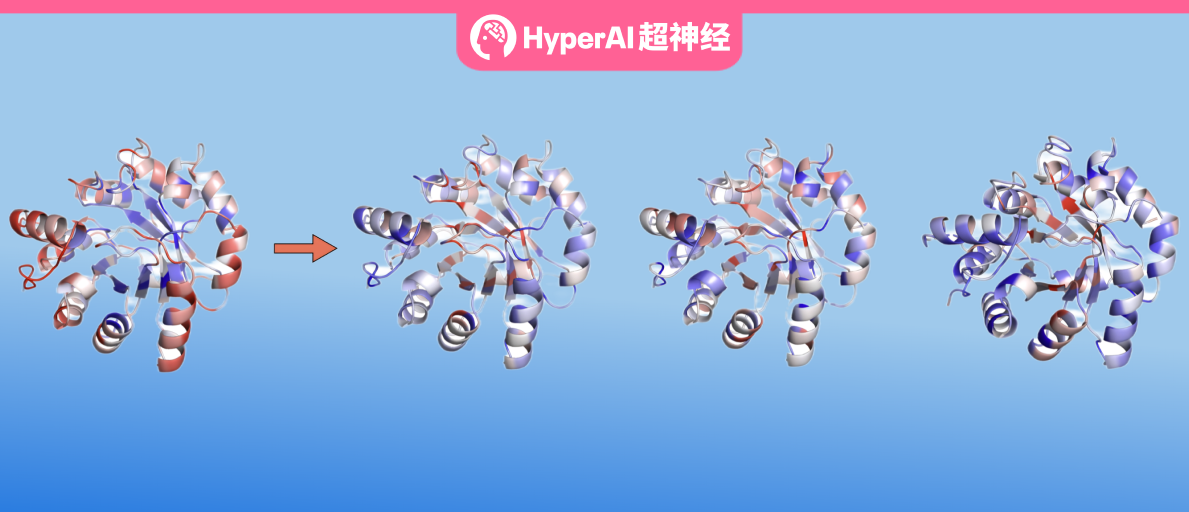
Research teams from UC Berkeley and other institutions proposed a multimodal protein generation method, PLAID, to further explore the structure and composition of proteins. The relevant research results were also forwarded by the "AI Godfather" Yang Likun.
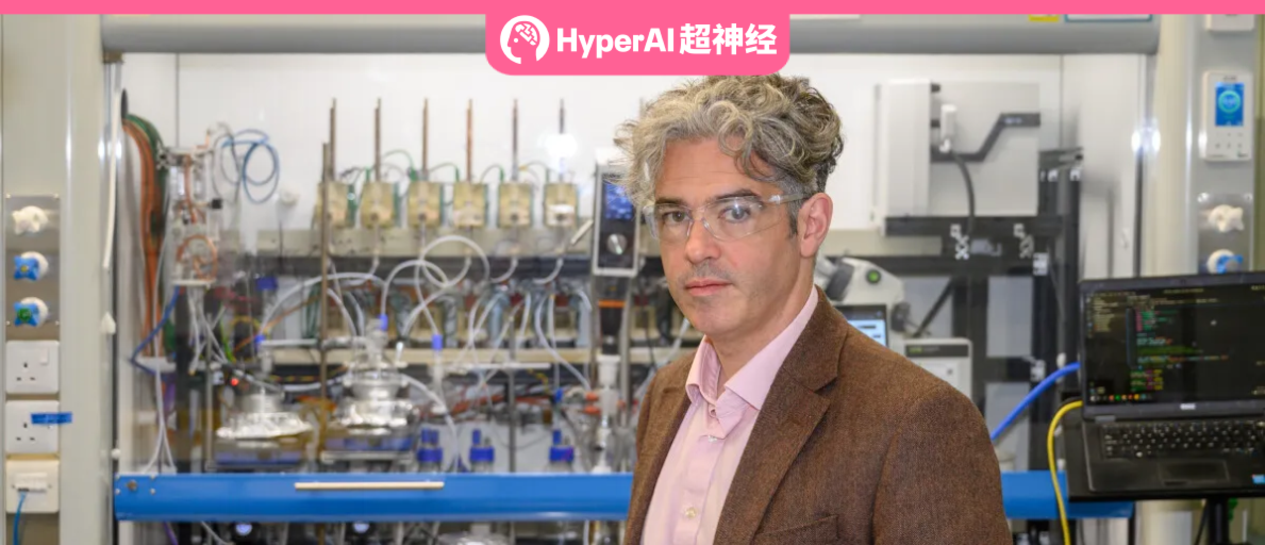
Chemify has developed the world's first "chemical Turing machine" and the world's first chemical compiler, and is committed to promoting the digitalization of chemistry.
A research team from the University of California, Los Angeles has proposed a self-supervised deep learning method that can significantly improve the quality of three-dimensional reconstruction of biological macromolecules.
The fifth episode of the Meet AI4S live series invited Dr. Wang Zeyuan from the Knowledge Engine Laboratory of Zhejiang University to share his papers and related research.
The School of Earth Sciences of Zhejiang University proposed a geographic neural network weighted regression model with enhanced interpretability (EI-GNNWR) to help analyze geographic data of the Qinghai-Tibet Plateau.