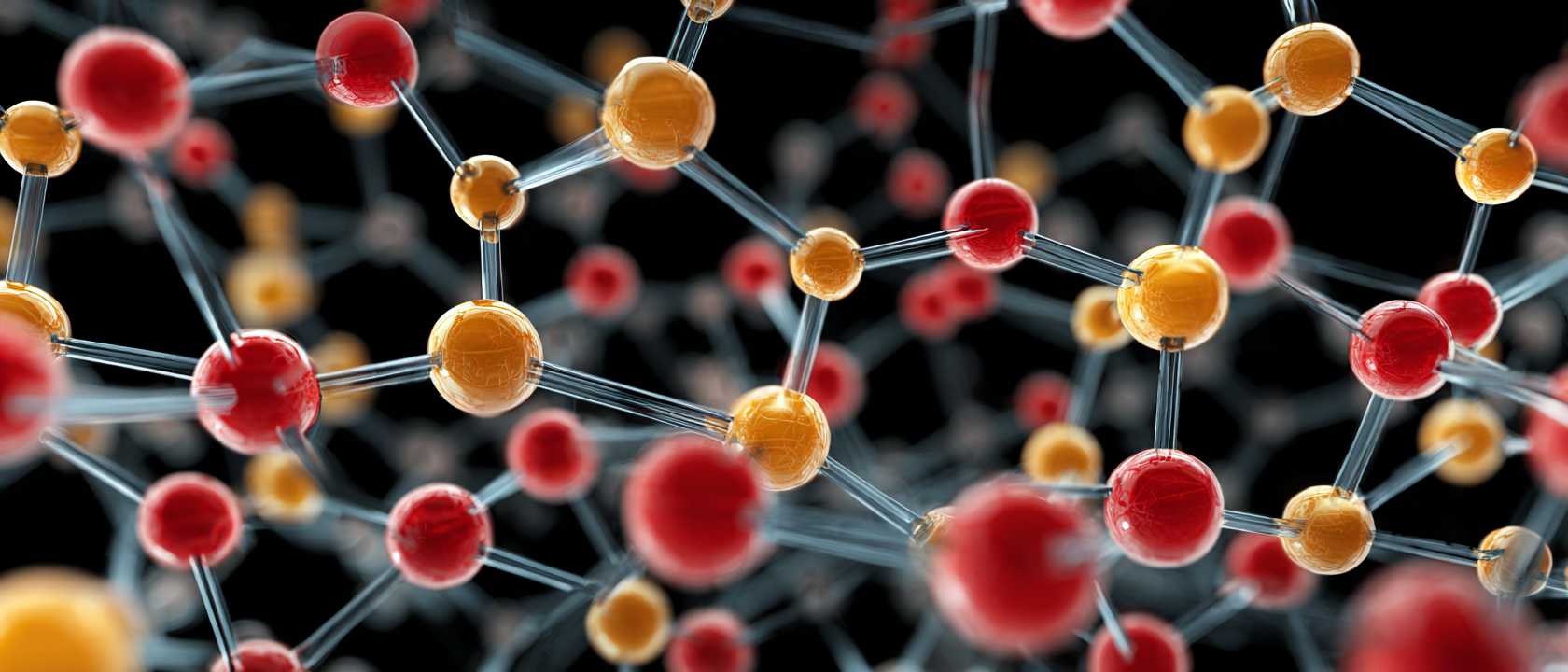
A research team from Virginia Tech and Meta AI proposed a unified model called UNIMATE, which for the first time achieved unified modeling and collaborative processing of the three core elements of metamaterial design.
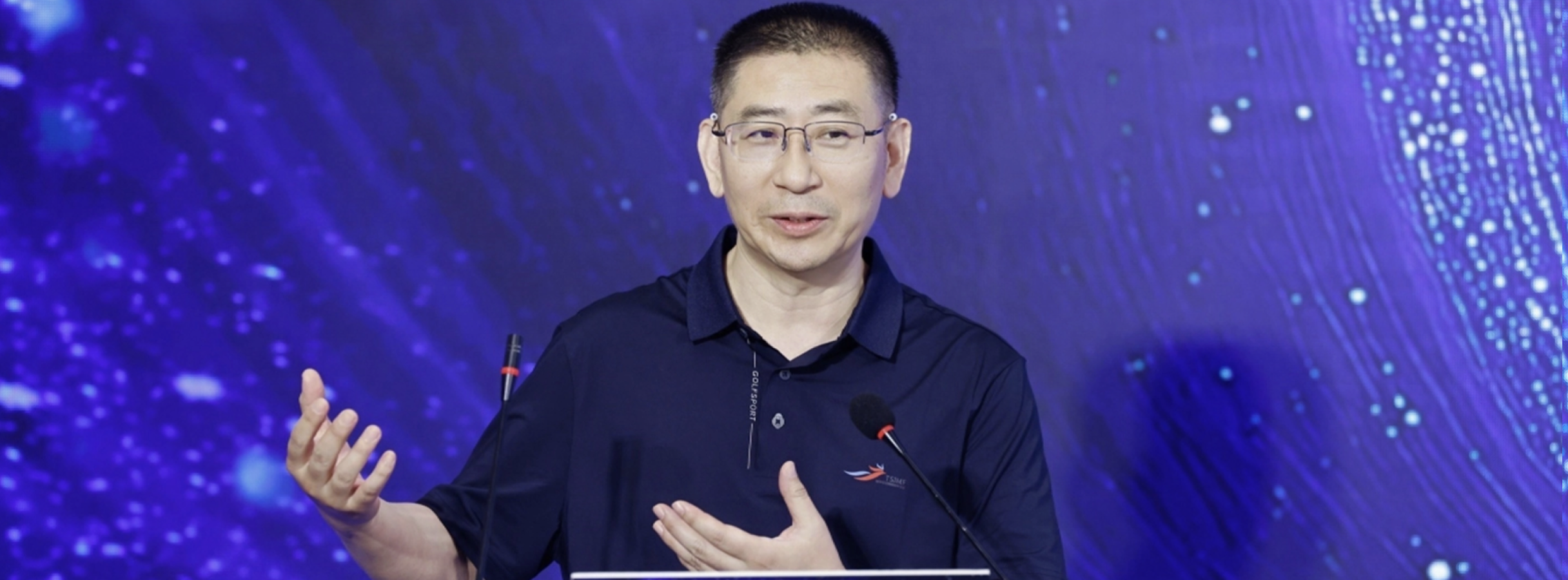
Associate Professor Zhang Shugang from the School of Computer Science at Ocean University of China gave a speech titled "Construction and Application of Protein Intelligent Computing System" at the 2025 Zhiyuan Conference. This article is a transcript of the speech.
HyperAI has compiled a series of extremely valuable and widely used data sets and tutorials for everyone from June 23 to June 27, covering large model deployment, video editing, web page understanding and other fields~
A team from the Technical University of Munich in Germany and others proposed a new method to generate satellite images conditioned on geographic climate cues using Stable Diffusion 3, and created EcoMapper, the largest and most comprehensive remote sensing dataset to date.
Online tutorial: Peking University Shi Boxin team and Bayesian computing proposed the video instance redrawing method VIRES, with multiple performance indicators reaching SOTA
Professor Li Dong, Director of the Medical Data Science Center of Tsinghua Chang Gung Hospital, gave a special presentation on "How to use medical data to conduct innovative research in the era of smart healthcare."
MonkeyOCR performs well when processing complex documents (such as those containing formulas and tables), with performance improvements of 15.0% and 8.6% on formula and table parsing tasks respectively.
The non-profit research organization Arc Institute, in collaboration with research teams from UC Berkeley, Stanford and other universities, launched the virtual cell model STATE.
HyperAI has compiled a series of extremely valuable and widely used data sets and tutorials for everyone from June 16 to June 20, covering mathematical reasoning, 3D reconstruction, image editing and many other fields~
Harvard Medical School, in collaboration with teams from Boston Children's Hospital and others, have built a professional-grade medical reasoning benchmark dataset that can simulate the diagnostic process through mind map prompts guided by clinical knowledge.
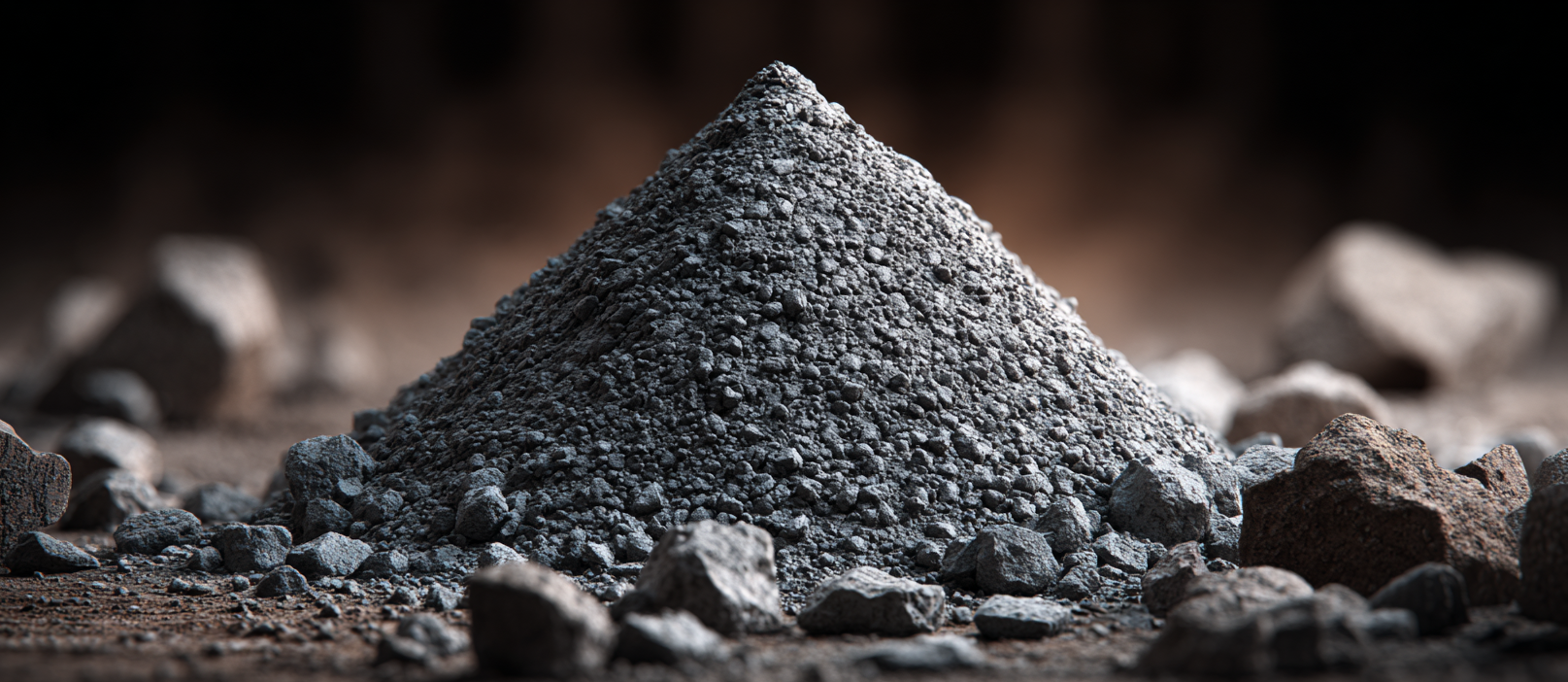
A multi-departmental team from MIT's Department of Materials Science and Engineering has developed a new data-driven approach to enable large-scale prediction and screening of the reactivity of cement substitute materials.
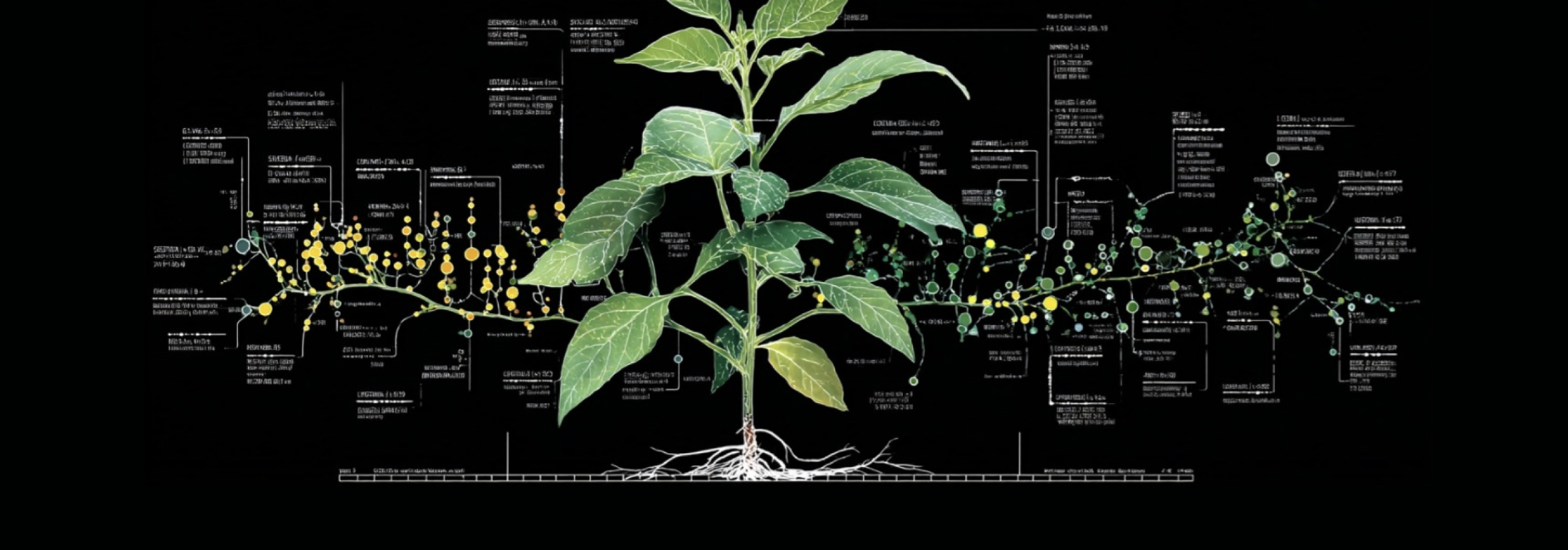
Shandong University of Technology, together with Beijing Forestry University and other research institutions, jointly constructed the PlantLncBoost model, providing a systematic solution to the generalization problem of plant lncRNA identification.
A joint research team from Harvard University and Bosch proposed an innovative solution and developed a unified differentiable learning framework for electrical responses.
HyperAI has compiled a series of extremely valuable and widely used data sets and tutorials for everyone from June 9 to June 13, covering speech generation, visual models, medical imaging, AI for Science and many other fields~
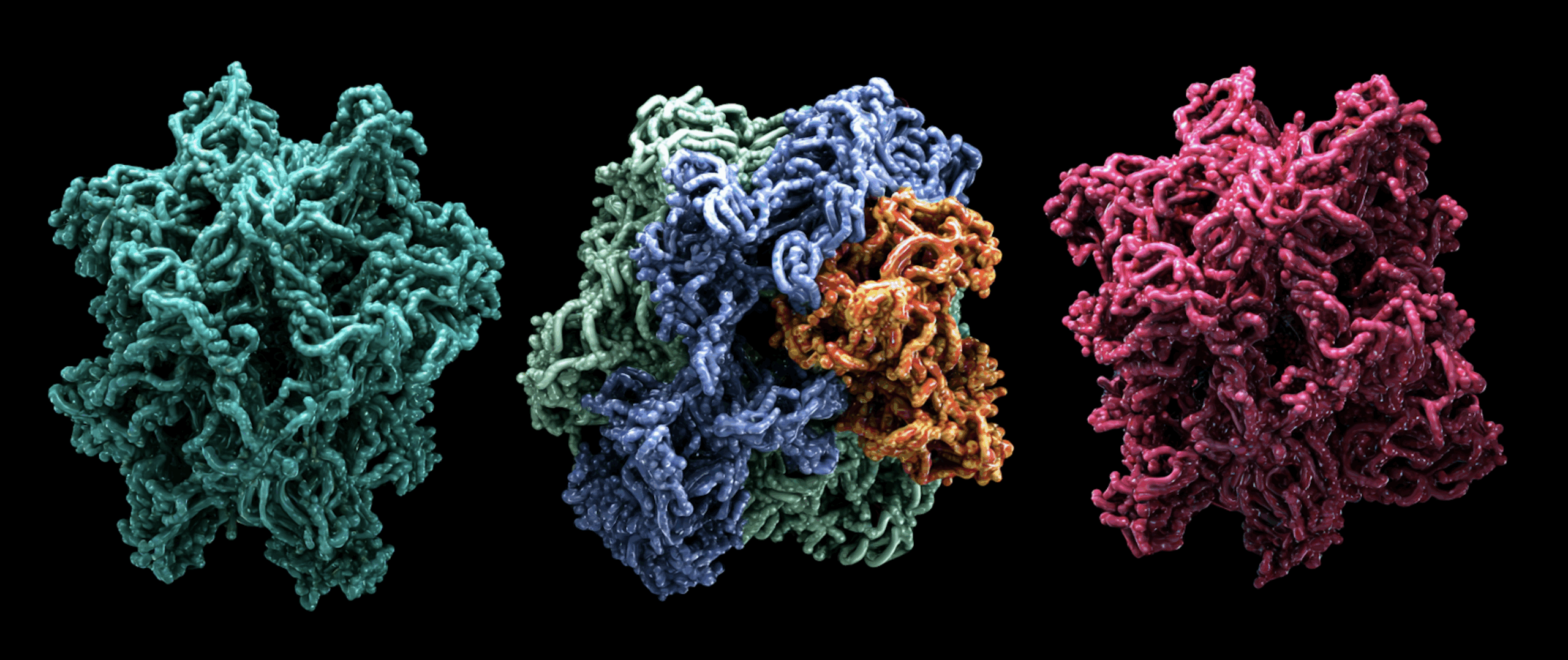
The team at Georg-August University developed an innovative computational biology algorithm, SimplifiedBondfinder, to systematically analyze more than 86,000 high-resolution X-ray protein structures.
Professor Liu Yang’s group at Tsinghua University and Professor Huang Wenbing’s group at Renmin University’s Gaoling School of Artificial Intelligence jointly proposed a unified biomolecular time-coarsened dynamics simulator UniSim. This method obtains a large amount of 3D molecular structure data through denoising + force field hybrid pre-training […]
A joint research team from Abu Dhabi's Inception AI Institute and Silicon Valley's Cerebras Systems has developed Prot42, the first family of protein language models (PLMs) that rely solely on protein sequence information and does not require 3D structure input.
HyperAI has compiled a series of extremely valuable and widely used data sets and tutorials for everyone from 6.3 to 6.6, covering artificial intelligence, efficient programming, music, medical care and other fields~
「OmniConsistency: GPT-4o-level character style transfer model」 Only need to upload pictures to achieve high-quality style image generation, come and experience it!
The research team of the Institute of Organic Chemistry and Biochemistry of the Czech Academy of Sciences drew on the breakthroughs made by the GPT series in the field of language.
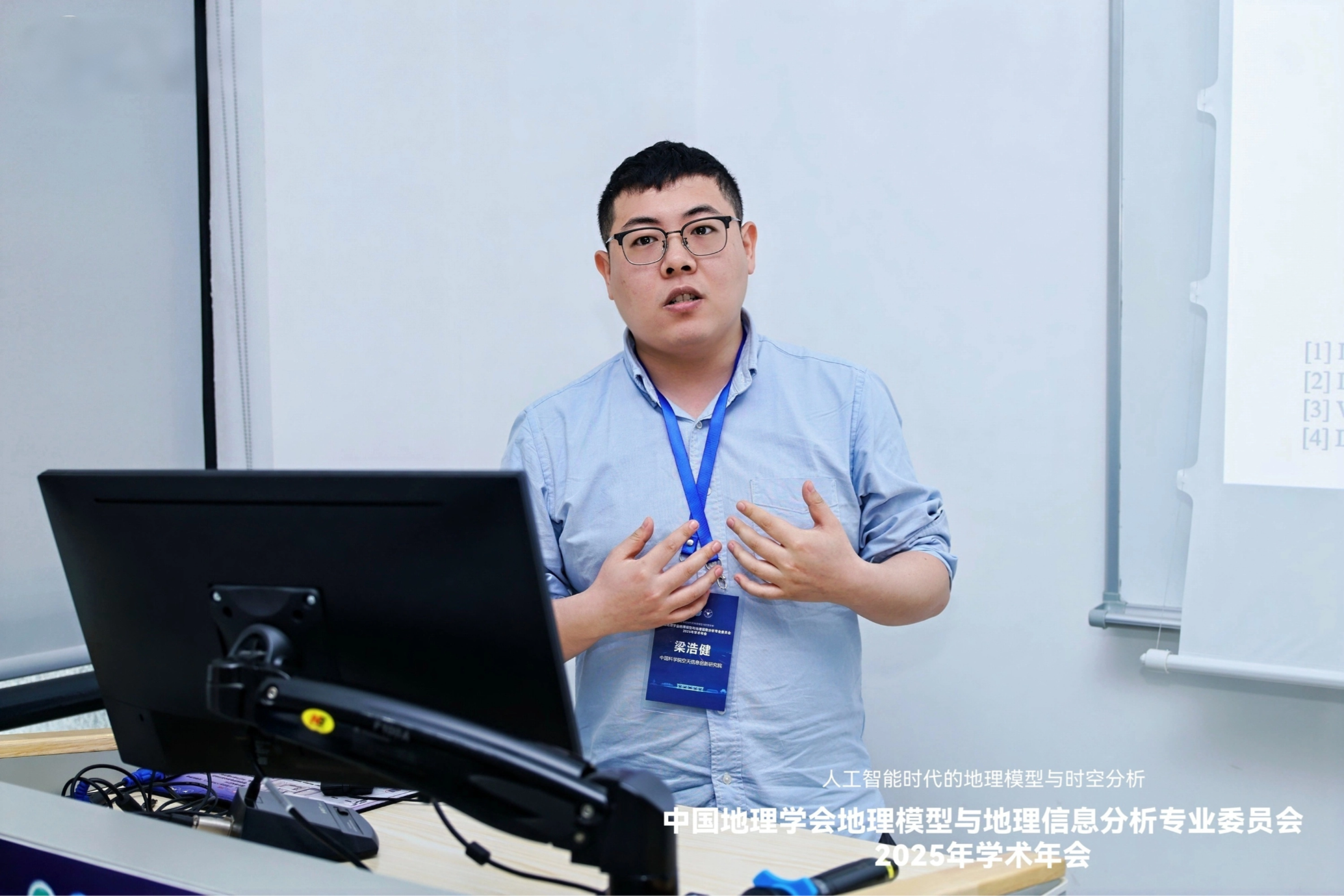
Dr. Liang Haojian from the Institute of Space Information Innovation of the Chinese Academy of Sciences gave a speech titled "Research on Optimization Methods for Urban Emergency Fire Facility Configuration Based on Hierarchical Deep Reinforcement Learning".