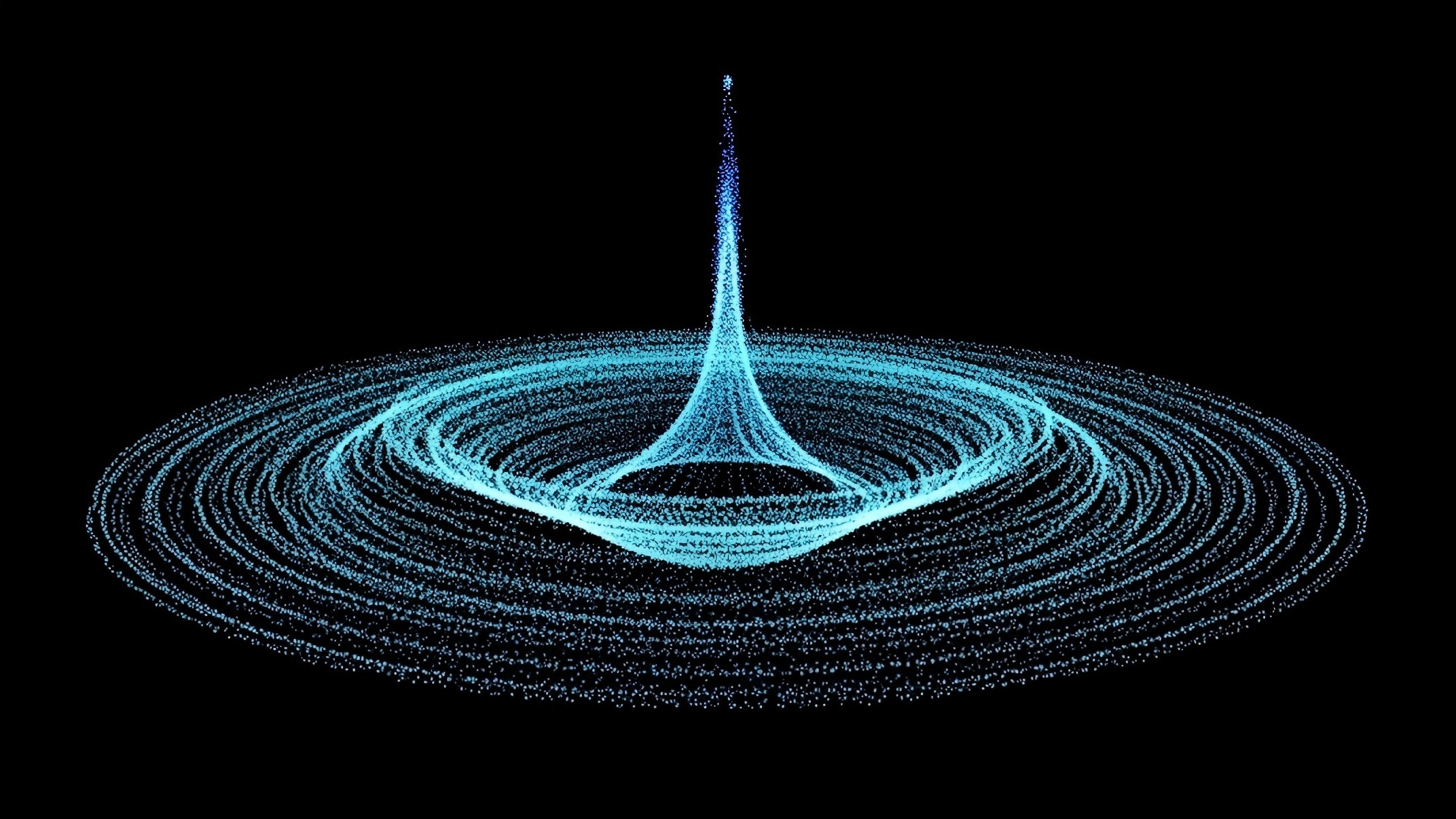
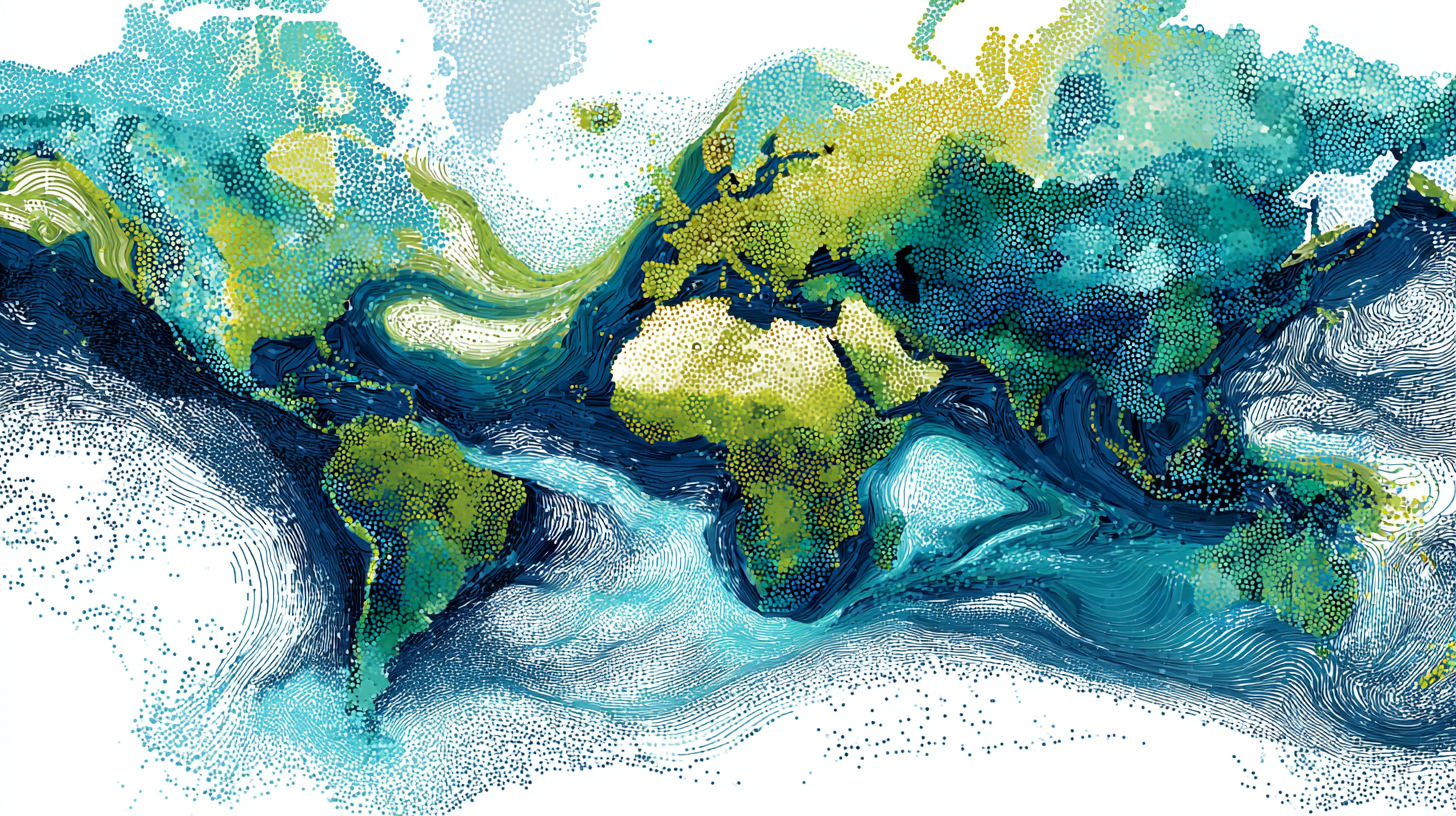
Google DeepMind, in collaboration with New York University and other institutions, systematically discovered new unstable singularities in three different fluid equations for the first time based on a machine learning framework and a high-precision Gauss-Newton optimizer.
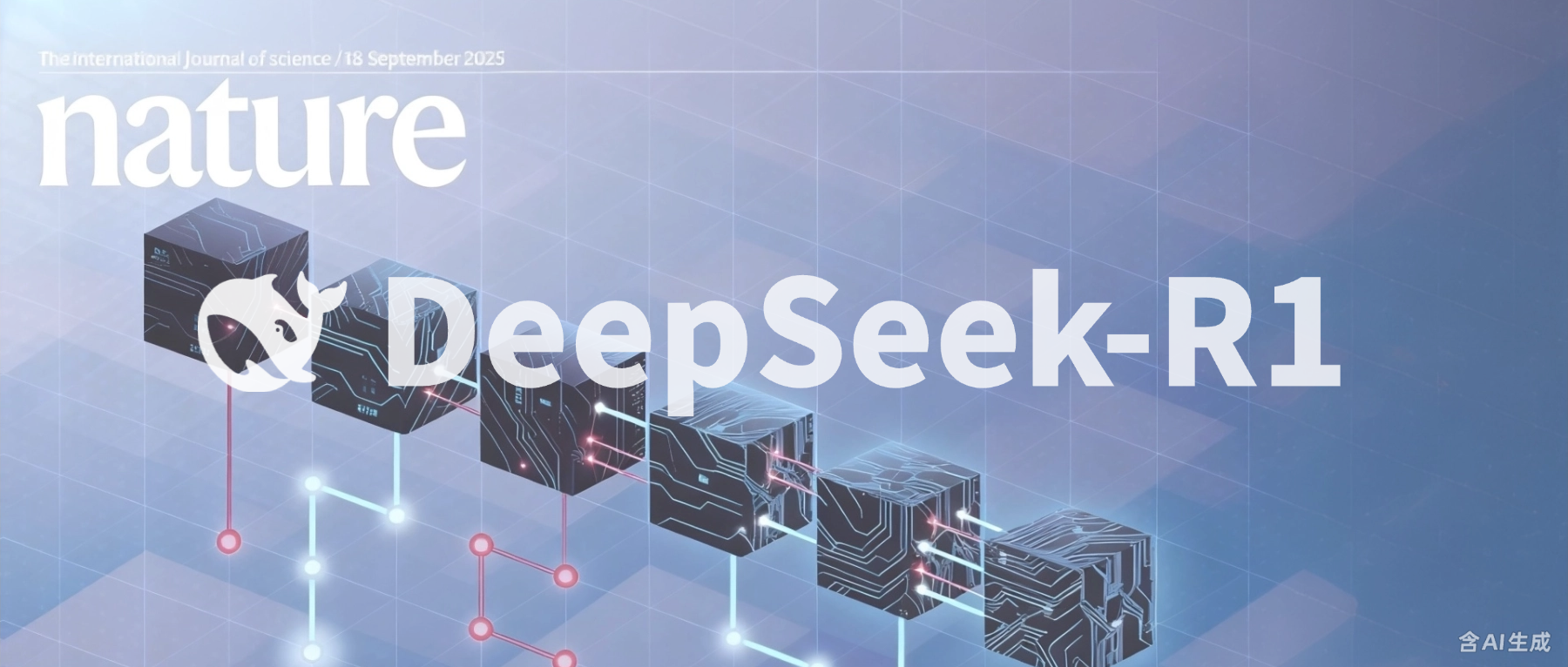
The research results of DeepSeek-R1 appeared on the cover of Nature. As the first mainstream large-scale model to pass peer review in an authoritative journal, it also disclosed the training cost in addition to the technology.
The Indian Institute of Technology Bombay, in collaboration with the University of Maryland, has developed a prediction model based on convolutional neural networks and transfer learning, enabling early forecasts of extreme rainfall events.
The Hunyuan-MT-7B Translation Model Demo is now available in the Tutorials section of HyperAI's official website (hyper.ai). Challenge yourself to champion translation performance!
HyperAI has compiled a series of valuable and widely used tutorials and datasets from September 8th to 12th, covering a variety of fields such as image generation, biology, and logical reasoning.
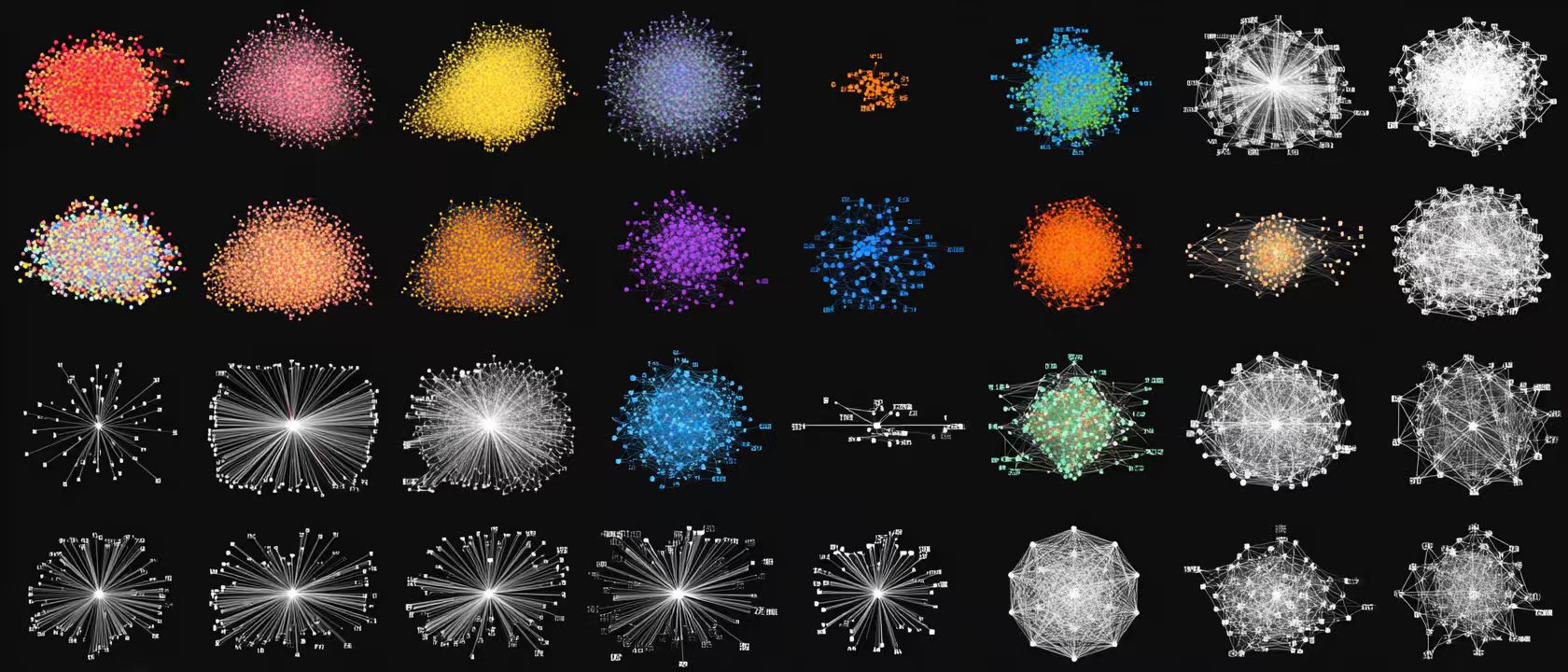
A research team from the Chinese Academy of Sciences and other institutions jointly proposed a new twin clustering framework scSiameseClu for interpreting single-cell RNA-seq data.
In early September, Apple was revealed to be interested in acquiring French startup Mistral AI, and shortly thereafter, semiconductor giant ASML led its Series C financing with 1.3 billion euros.
A joint team from Tsinghua University and MIT has systematically proposed for the first time a smart city planning framework driven by a large language model, aiming to build AI into an "intelligent planning assistant" for humans.
Research teams from Wuhan University and Nanyang Technological University jointly released Healthcare Agent, which can identify patients' medical purposes and automatically detect medical ethics and safety issues.
At 1 a.m. on September 10, Apple’s 2025 Fall Conference focused entirely on AI, announcing AI function upgrades for three core products including the iPhone 17.
HyperAI has compiled a series of valuable and widely used tutorials and datasets from 9.1 to 9.5, covering image editing, multimodal reasoning, and more.
For those new to AI and computer vision, the first "small goal" they set is often to run a YOLO model. When I was learning, I was still using YOLOv8, and my first project was "fruit detection based on YOLO." Today, YOLO […]
A joint research team from China University of Petroleum and Yonsei University constructed a new framework, AlphaPPIMI, which provides strong support for the future development of PPIs targeted drugs.
Microsoft's open source VibeVoice-1.5B model uses an original dual-Tokenizer architecture and diffusion decoding technology to redefine the boundaries of TTS technology.
Researchers from the Chinese University of Hong Kong, Mohamed bin Zayed University of Artificial Intelligence and other institutions proposed a scalable transcriptome-guided diffusion model MorphDiff to simulate the response of cell morphology to perturbations with high fidelity.
In mid-August 2025, the Wall Street Journal broke a bombshell: Meta suddenly suspended recruitment for its artificial intelligence department after completing a massive round of "crazy snatching" of AI talent.
A research team from the Israel Institute of Technology and Meta AI proposed a new protein representation learning framework called FusionProt, which achieves SOTA performance in multiple biological tasks.
At the 2025 CCF Global High Performance Computing Conference, Researcher Lin Pengfei from the Institute of Atmospheric Physics, Chinese Academy of Sciences, presented a keynote speech titled "A Deep Learning Model (CoTCN) for Improving the Accuracy of Short-Term Global Sea Surface Temperature Forecasts." This article contains a transcript of the highlights of Lin's presentation.
HyperAI has compiled a series of valuable and widely used tutorials and datasets from August 25th to 29th, covering a variety of fields such as image generation, visual mathematical reasoning, and more.
To address the issue of coastal ecosystem health diagnosis, a team from the Hong Kong University of Science and Technology proposed the Spatiotemporal Interpolation and Prediction (STIMP) model, which achieves accurate prediction of the spatiotemporal distribution of chlorophyll a by integrating specially designed modules.
"Deploying NVIDIA-Nemotron-Nano-9B-v2 with vLLM + Open WebUI" is now available in the "Tutorials" section of the HyperAI Hyperneuron website (hyper.ai). Come and experience communicating with this "small but precise" large language model!
Recently, Xiaohongshu hi lab released a multilingual document layout parsing model called dots.ocr, which once again refreshed the height of OCR technology with its 1.7B lightweight design and SOTA-level performance.
At the 2025CCF National High Performance Computing Academic Conference, Researcher Zhang Zhengde, head of AI4S at the Computing Center of the Institute of High Energy Physics, gave an in-depth presentation on how intelligent agent technology can be applied to the processing of AI-Ready data.
A research team from the Department of Chemical Engineering and Applied Chemistry at the University of Toronto, Canada, proposed a multimodal machine learning approach to identify MOFs that have potential in areas different from their originally reported applications.
HyperAI has compiled a series of valuable and widely used tutorials and datasets from August 18th to 22nd, covering areas such as image editing and multimodal reasoning.
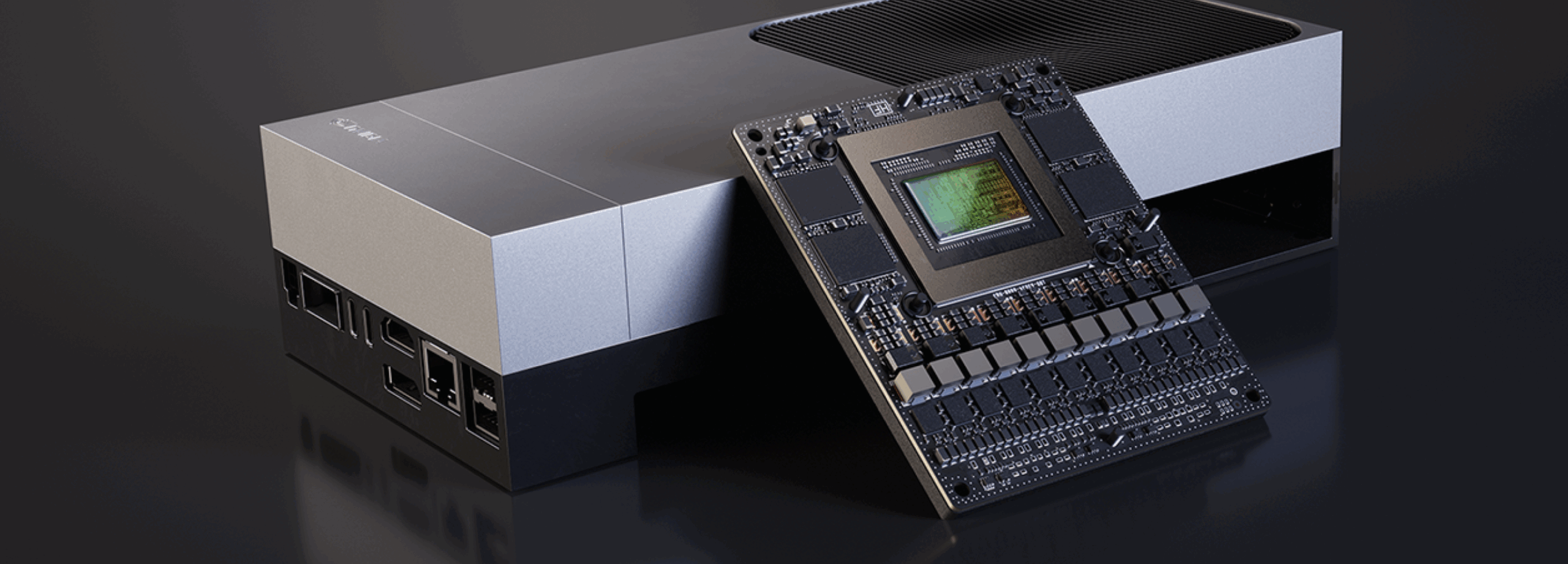
NVIDIA Physical AI has made another breakthrough, with the robot brain going online, enabling real-time intelligent interaction with the physical world.
The MIT research team combined chemical informatics tools with the new organic solubility database BigSolDB, enabling the model to simultaneously input solute molecules, solvent molecules and temperature parameters, and directly perform regression training on logS.