Command Palette
Search for a command to run...
Online Tutorial | ProteinGym #1! VenusREM Uses "search Enhancement" to Predict the Impact of Protein Mutations and Accelerate Protein design.

Protein engineering is moving from "trial and error screening" to "computational pre-screening"—using computational methods to assess the impact of mutations on protein function before wet experiments, thereby narrowing down the candidate pool and reducing experimental costs. However, the protein mutation space is vast and the relationship between structure and function is complex. Balancing prediction efficiency and accuracy has always been a core challenge in this field.
**In July 2025, Shanghai Jiao Tong University, in collaboration with East China University of Science and Technology and the Shanghai Artificial Intelligence Laboratory, released VenusREM, a protein mutation effect prediction model.**The paper was published at ISMB/ECCB 2025 and indexed by Bioinformatics.Currently ranked first in ProteinGym substitution mutation benchmarks.
The core idea of VenusREM is "retrieval enhancement". It introduces a retrieval enhancement mechanism (REM) on the basis of protein language model. During inference, it uses homologous sequence information from multiple sequence alignment (MSA) as a reference to extract prior knowledge of conservation and mutagenicity from the evolutionary information of homologous proteins, thereby improving prediction accuracy.
In terms of model architecture, VenusREM is built on the ProSST structure-aware protein language model, which integrates amino acid sequence and three-dimensional structural information, supports multiple retrieval modes such as amino acid sequence, structural sequence or a combination of both, and can maintain stable performance under different data conditions.
By leveraging the comprehensive use of sequence, structural, and evolutionary information,**VenusREM can be used for mutant screening in protein engineering, evaluation of candidate protocols before directed evolution experiments, and analysis of disease-related pathogenic mutations.**It helps researchers locate potential key mutation sites more quickly and accelerates the translation from computational prediction to experimental verification.
Currently, VenusREM has launched a HyperAI tutorial section, where users can follow the tutorials to complete the entire process from environment configuration and model deployment to mutation effect prediction and result visualization. Users can also replace the example sequences to directly apply the model to their own target protein research. ⬇️
Run online:
More online tutorials:
Tutorial running
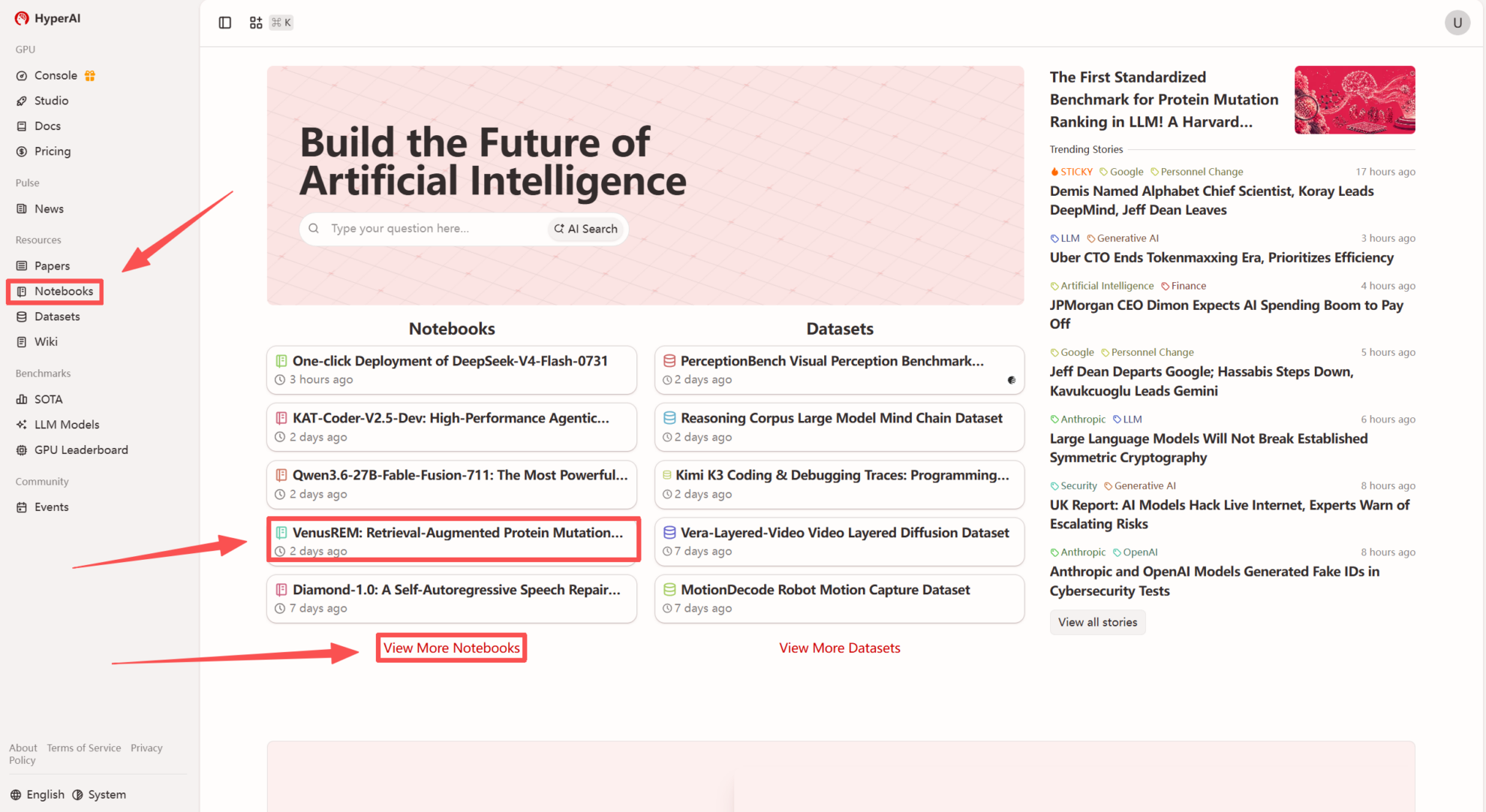
1. After entering the hyper.ai homepage, select the "Tutorials" page, or click "View More Tutorials", select "VenusREM: Search-Enhanced Protein Mutation Effect Prediction", and click "Run this tutorial".
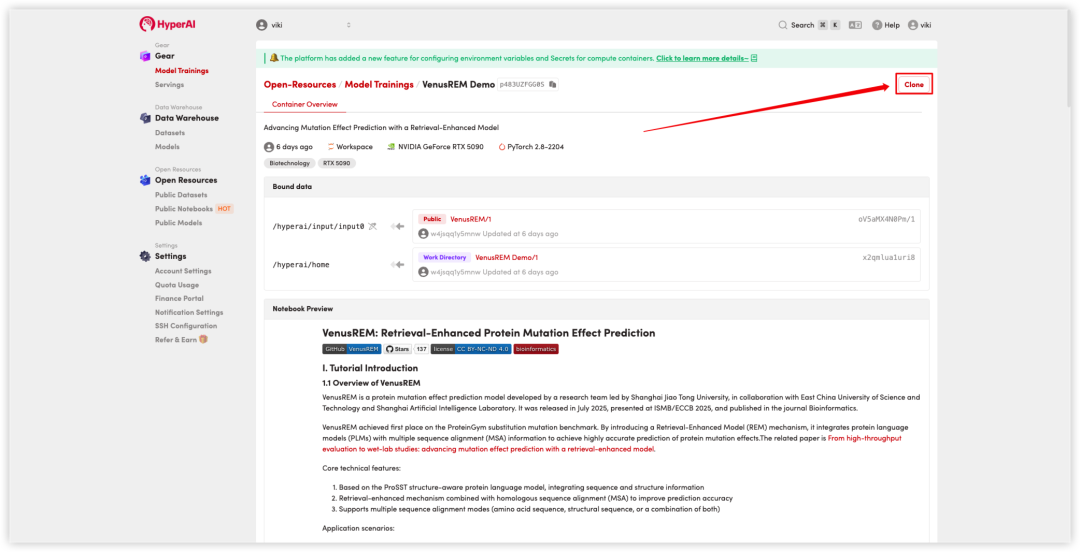
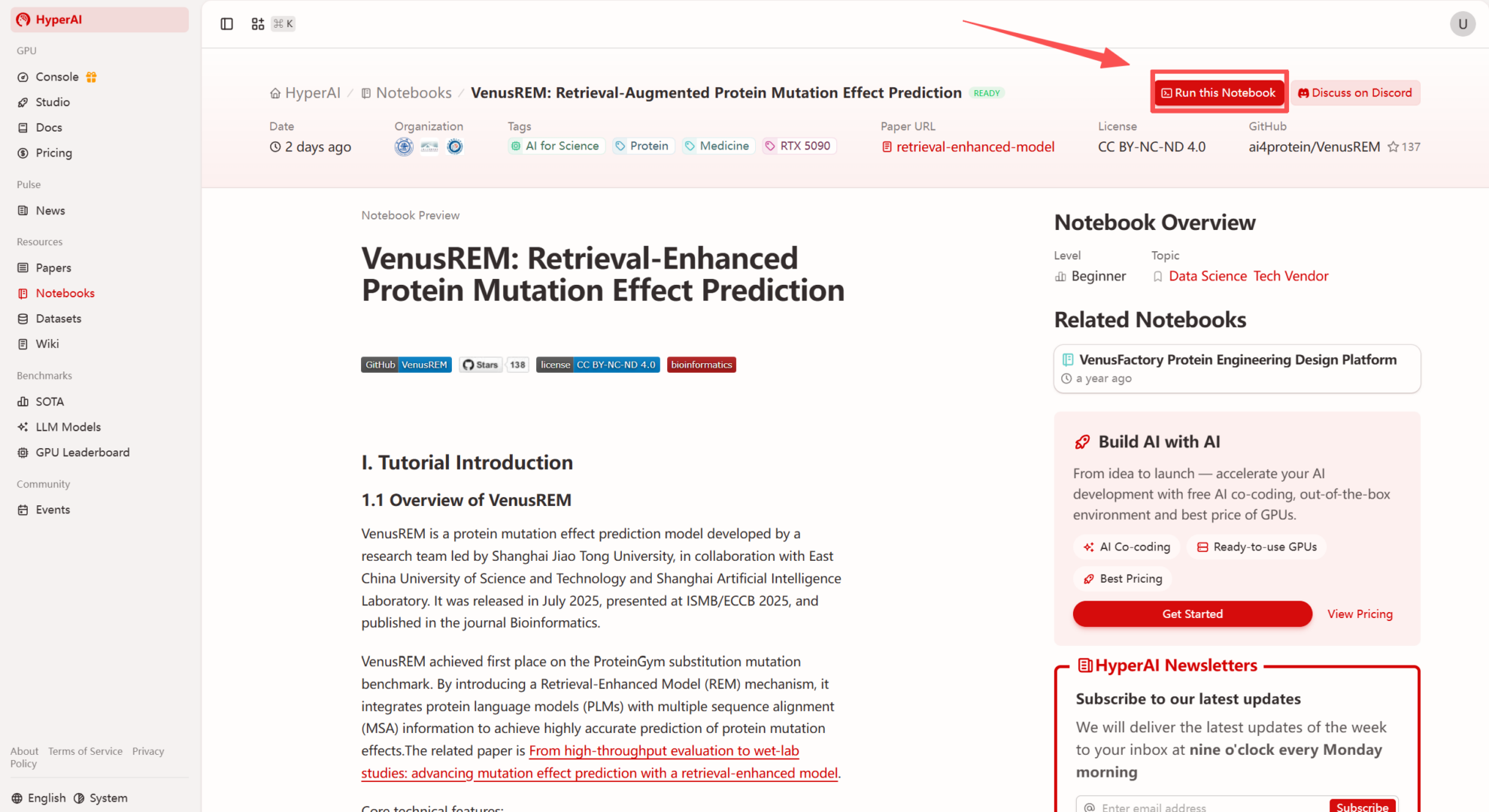 2. After the page redirects, click "Clone" in the upper right corner to clone the tutorial into your own container.
Note: You can switch languages in the upper right corner of the page. Currently, Chinese and English are available. This tutorial will show the steps in English.
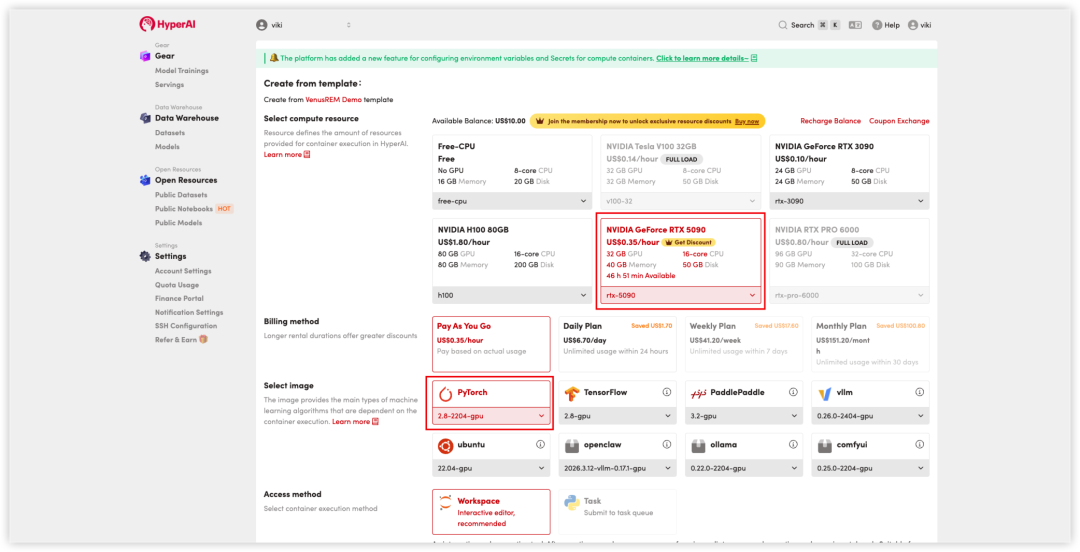
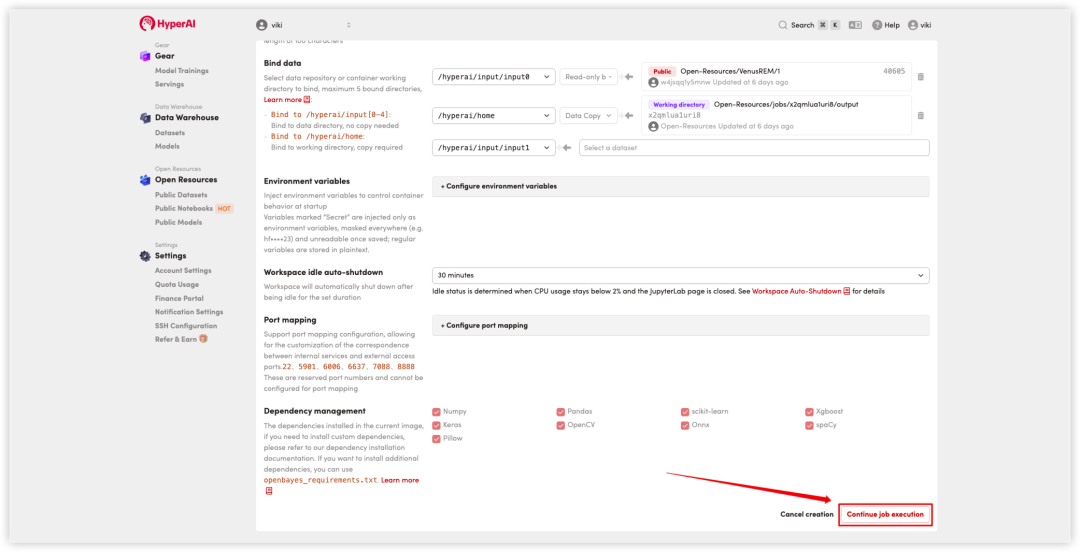
 3. Select the "NVIDIA RTX 5090" and "PyTorch" images, and click "Continue job execution".
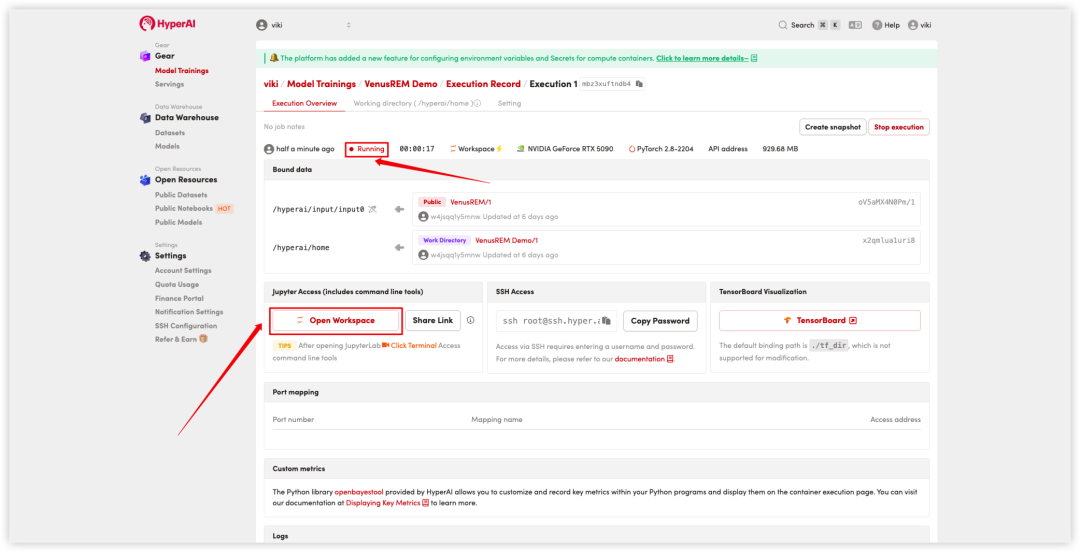
 4. Wait for resources to be allocated. Once the status changes to "Running", click "Open Workspace" to enter the Jupyter Workspace.
Effect display
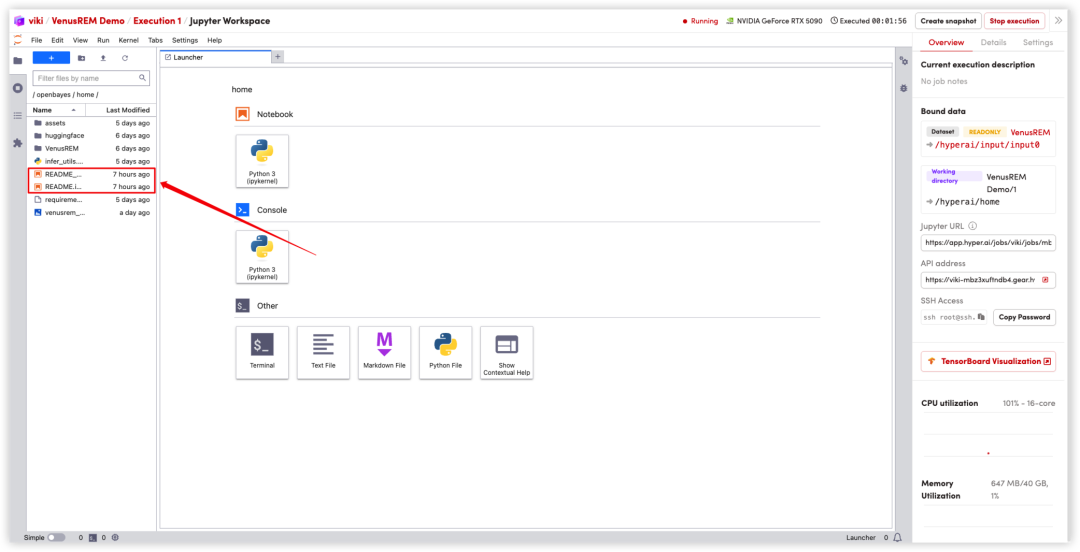
1. After the page redirects, click on the README file on the left, and then click on Run at the top.
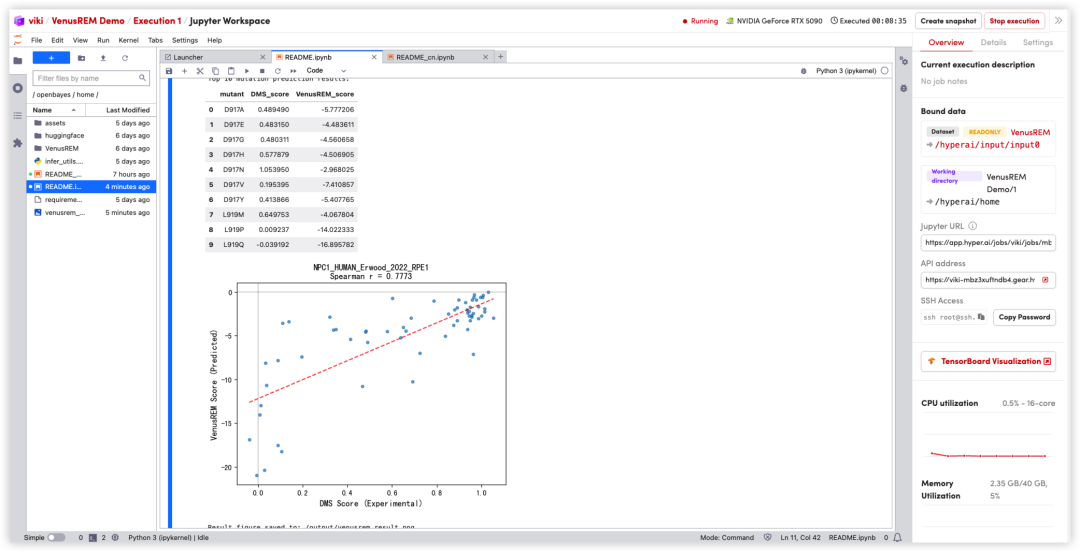
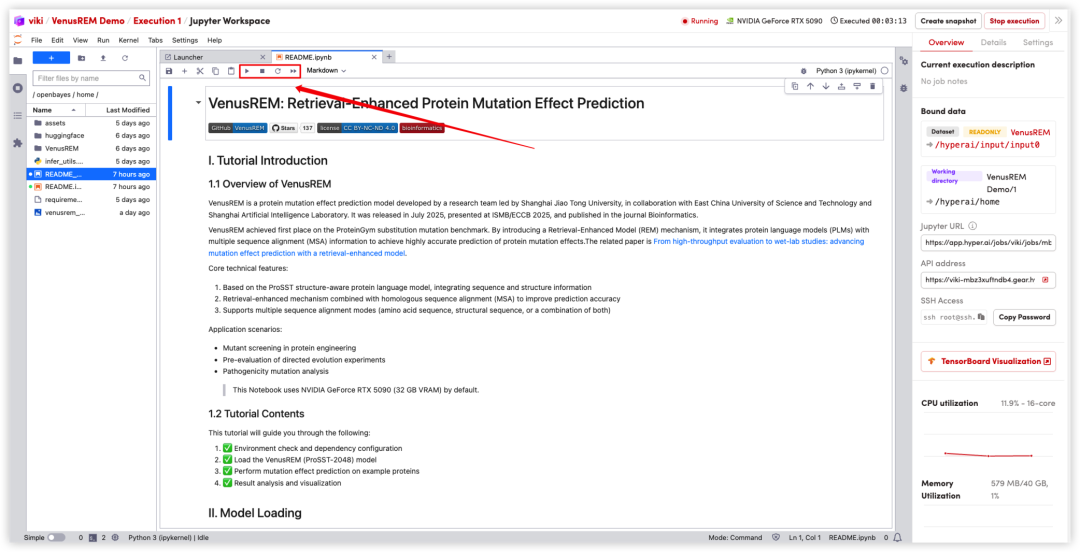 2. After the process is complete, you can view the mutation effect prediction results and visualization heatmap in the tutorial, which will intuitively show the impact of amino acid substitutions at each site on protein function.