Command Palette
Search for a command to run...
The National University of Singapore Proposes an AI-computational Chemistry Collaborative Process to Accelerate the Repositioning of Drugs for Diabetic Wound Healing, Reducing the R&D Cycle by Over 701 TP3T!
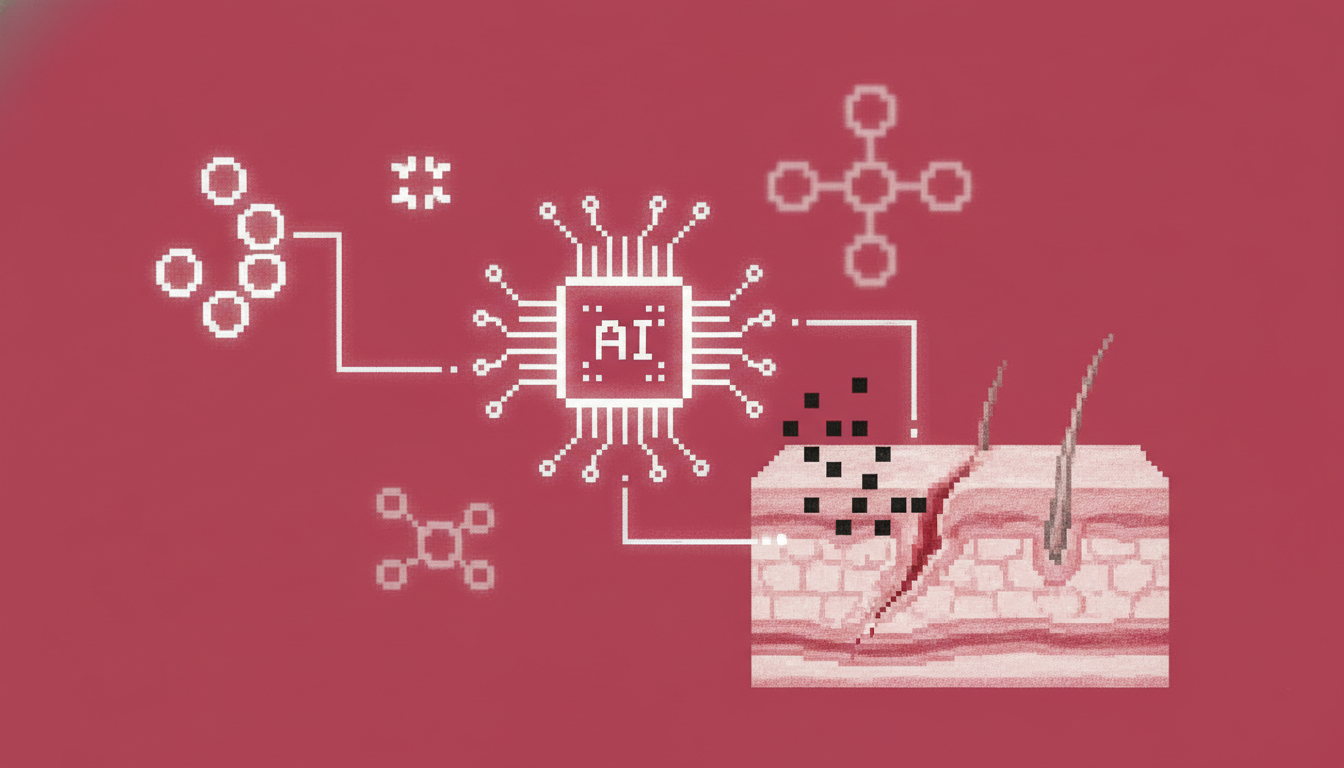
In current clinical practice, the treatment of diabetic wounds, especially diabetic foot ulcers (DFU), remains a long-standing and challenging problem. Persistently high blood sugar levels cause wounds to heal slowly, and in severe cases, may even lead to amputation. In stark contrast, the development of nanomedicines for targeted therapy of these lesions faces numerous difficulties: traditional empirical research methods are severely challenged by the vast number of candidate drug molecules and the complex interactions between proteins in the wound healing process. These methods are not only susceptible to subjective human judgment but also require extensive validation experiments using a massive library of drug molecules.
In response, a team from the National University of Singapore systematically analyzed the advantages and disadvantages of Artificial intelligence-assisted drug discovery (AIDD).**We propose a collaborative computational nanomedicine research process that integrates artificial intelligence and computational chemistry (AI-CC).**This process deeply couples Large Language Model (LLM)-driven literature mining (qualitative insight) with computational chemistry-led multi-stage molecular simulation (quantitative validation) to construct a closed-loop research system for drug-protein nanoscale interactions, accelerating the repositioning and development of drugs for diabetic wound healing. Compared to traditional R&D models, this integrated strategy combining AI-driven literature mining and nanoscale quantitative modeling can shorten the "literature-to-experiment" R&D cycle by more than 70%.
The relevant research findings, titled "Quantitative Computational Validation of Nanoscale Interactions between Drug Molecules and Diabetic Wound-Related Proteins for Drug Discovery," were published in ACS Nano Medicine, a journal under the American Chemical Society (ACS).
Research highlights:
*** Constructing an AI-CC collaborative closed-loop computational nanomedicine research workflow:**Qualitative mechanism information was obtained through LLM literature mining, and quantitative verification was carried out by combining molecular docking, molecular dynamics, and quantum chemical multi-stage molecular simulations to systematically analyze drug-protein nanoscale interactions.
*** Multi-dimensional validation confirms folic acid as the optimal candidate drug:**Simulations confirmed a strong interaction between folic acid and fibroblast growth factor, and in vitro scratch experiments demonstrated that it can significantly accelerate wound healing, which is highly consistent with the wound regeneration effects reported in existing literature. The predicted results are highly consistent with experimental verification.
*** Breakthrough improvement in R&D efficiency:**Compared to traditional R&D models, this integrated approach shortens the research and development cycle from literature to experiment by more than 70%, providing an efficient paradigm for drug repositioning research for diabetic wounds and other complex diseases.
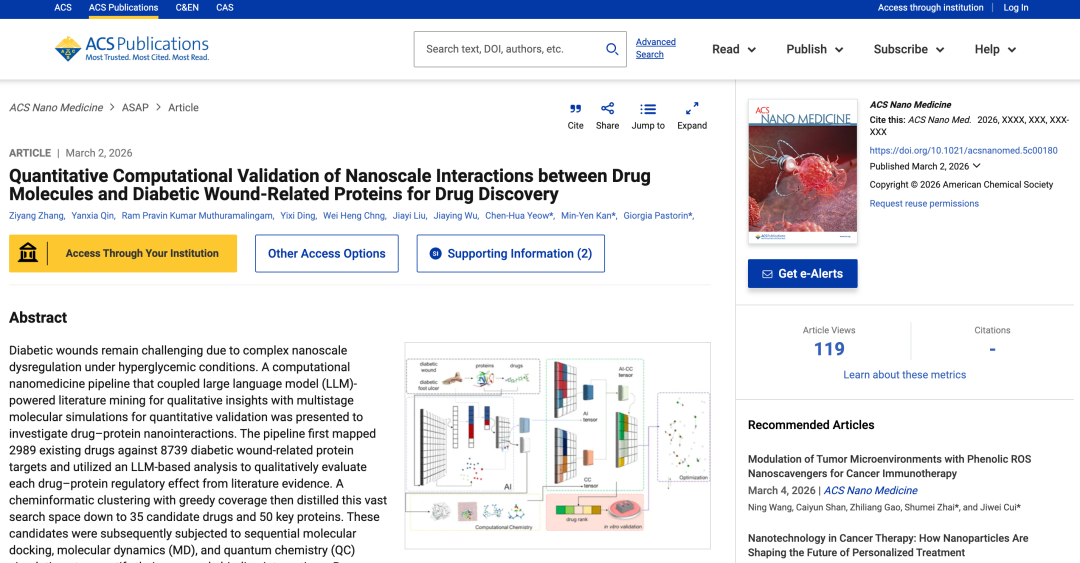
Paper address:
https://pubs.acs.org/doi/10.1021/acsnanomed.5c00180
Large-scale database retrieval to construct a disease-miRNA-protein-drug relationship network
This study used a multi-interface strategy to search multiple databases, providing comprehensive data support for the analysis of protein action mechanisms in diabetic wounds, and also laying the foundation for potential drug repositioning studies.
Basic dataset of biological proteins
The basic data on biological proteins came from PubMed Central (PMC) and Web of Science. Researchers screened 26 miRNAs associated with diabetic wounds and DFU cases, and obtained 20,334 data records by tracing miRNA variants through the miRTarBase database, which included 9,186 UniProt protein entries. After deduplication, 8,739 core proteins were finally identified.
Drug Molecular Basic Dataset
The basic drug molecular data came from DrugBank and ChEMBL. The researchers associated the core proteins they obtained with 4,487 drug records in the DrugBank database, and then obtained molecular structures and cheminformatics descriptors from the ChEMBL database, ultimately including 2,989 small molecule drugs.
AI-CC fusion process constructs a closed-loop research system for qualitative analysis and quantitative verification.
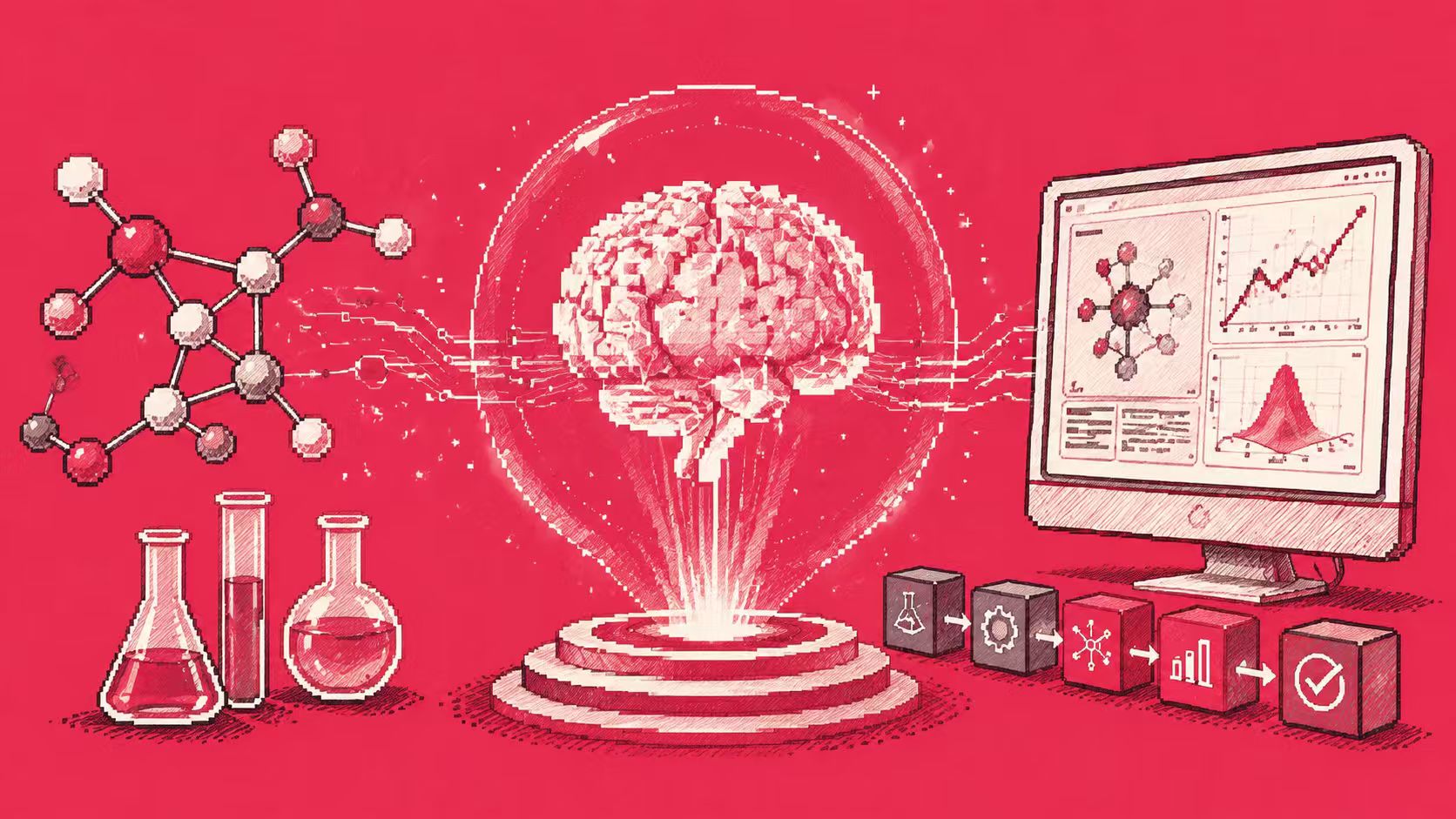
**The method proposed in this study is a complete computational nanomedicine research workflow that integrates AI-CC.**This approach fully leverages the strengths of both methods—combining artificial intelligence's ability to rapidly qualitatively understand biomedical literature with computational chemistry's ability to quantitatively characterize nanoscale interactions. This overcomes the limitations of any single method in fully encompassing both aspects required for drug development, providing new insights into drug discovery and drug repurposing in complex diseases. (See figure below.)
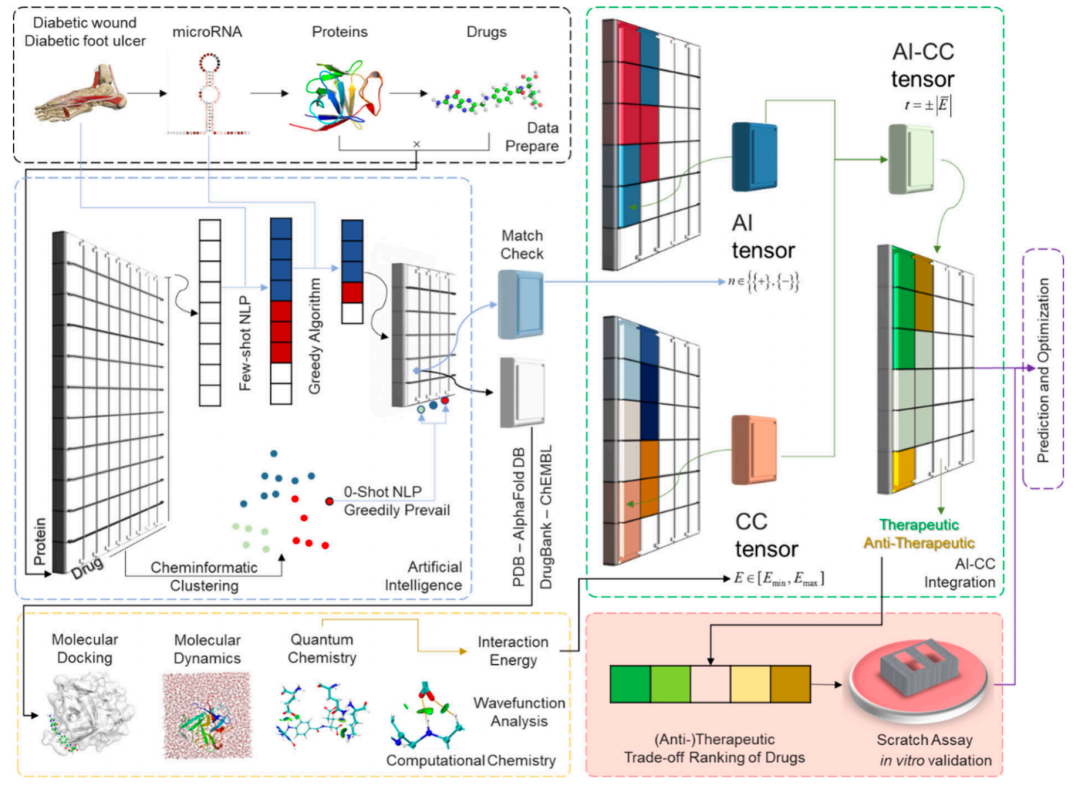
In terms of specific model selection, the researchers constructed a labeled test set to evaluate the performance of LLaMA2-Chat-13B, PMC-LLaMA-13B, GPT-3.5, and GPT-4. GPT-4 was selected as the main model for subsequent analysis due to its excellent zero-shot/few-shot learning ability, and its overall score reached the best of 0.737.

First, combining greedy cover algorithm and chemiinformatics clustering, and based on the results of artificial intelligence analysis of differentially expressed proteins related to DFU in diabetic wounds,**The study ultimately identified 50 key proteins.**Next, zero-shot learning artificial intelligence (GPT-4) analysis was performed on the 2,989 drugs included in the cheminformatics clustering.**We received 30 recommended medications, plus 5 additional expert-recommended medications (neomycin, mangiferin, mupirocin, metformin, and sitagliptin).**Ultimately, 35 candidate drugs were obtained.
To clarify the drug-protein-literature correlation, the study conducted a new round of searching in the PMC database, finding 3,889 unique articles supporting 756 drug-protein nano-interactions. The study then extracted relevant mechanism of action (MOA) descriptions using a small-sample GPT-4 cue word strategy.Ultimately, we obtained MOA data for 432 drug-protein regulatory pairs.
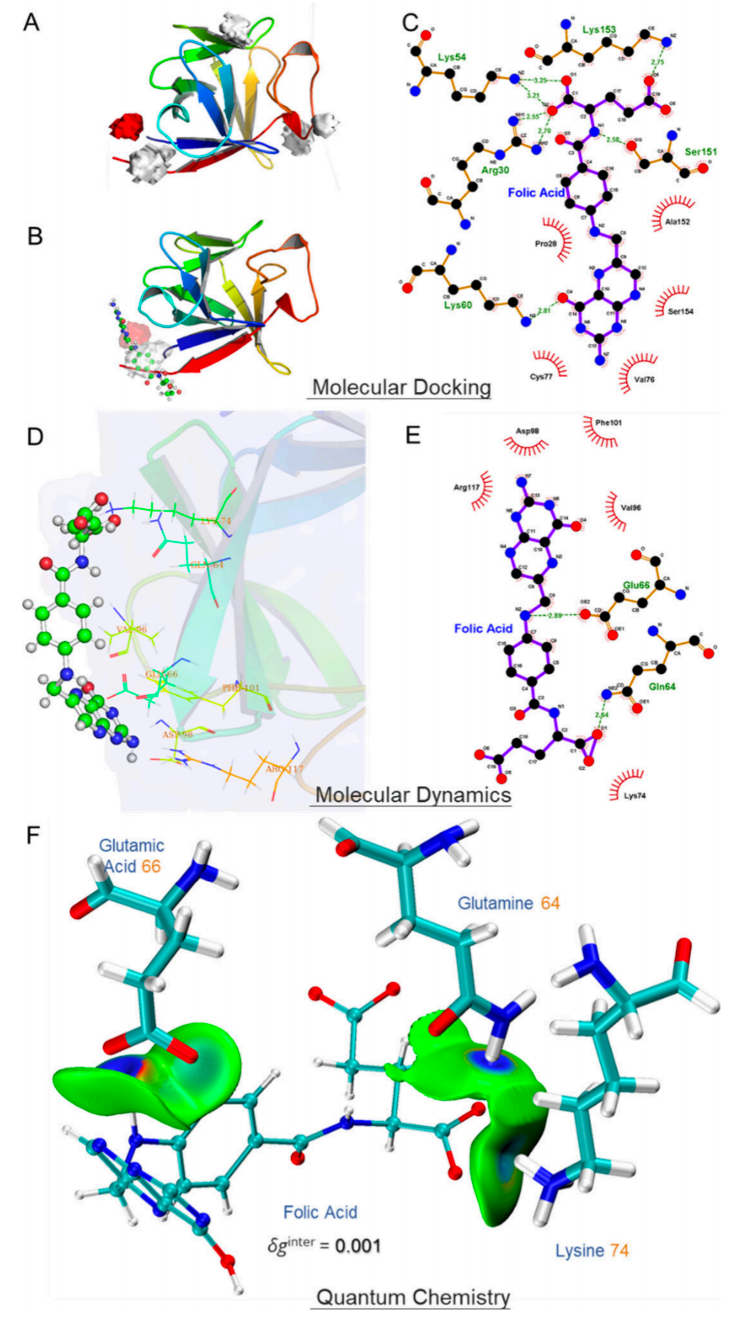
Following the qualitative assessment based on artificial intelligence, researchers further employed computational chemistry techniques such as molecular docking, molecular dynamics (MD), and quantum chemistry (QC) to conduct multi-stage quantitative assessments of the candidate drug-protein complex.
Compared to traditional literature review and experimental development methods, the cycle time is shortened by more than 70%
All AI computations in this study were performed on high-performance facilities at the National University of Singapore and the National Supercomputing Centre of Singapore. All in vitro experiments, including those targeting human skin fibroblasts (HDFs) and HaCaT keratinocytes, were conducted in a Level 1 biosafety laboratory at the Department of Pharmaceutical Sciences and Pharmaceutical Engineering, National University of Singapore.
The results of the study show that**After prioritizing and classifying the overall MOA (Multiple Occult Ailment) effects of candidate drugs on diabetic wounds, folic acid ranked first in the comprehensive (anti-)treatment score.**This is mainly due to its beneficial mechanism of action and strong interaction energy at the atomic level. Folic acid exhibits the most significant therapeutic effect when interacting with fibroblast growth factor, demonstrating both ideal regulatory effect (qualitative) and strong interaction energy (quantitative), as shown in the figure below.
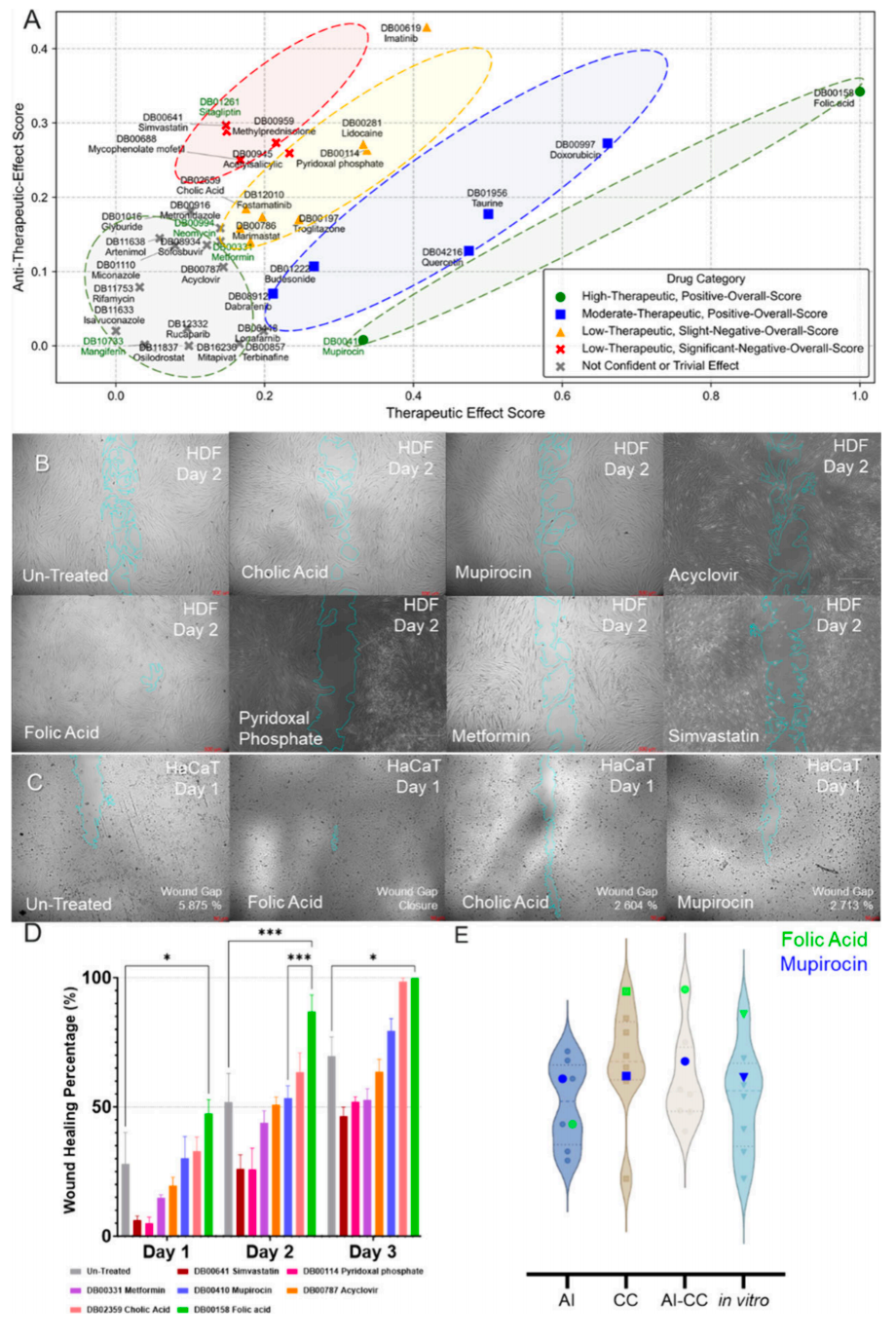
To further explore drugs with functions similar to folic acid, researchers also applied a semi-supervised random forest classifier and three different distance-based methods (Euclidean distance, Manhattan distance, and Cosine distance), integrating the recommendations of each prediction method in a MOA manner to identify the most promising drugs for the next iteration. This process confirmed that…**AI-CC provides an iterative optimization method for drug development, enabling dynamic adjustments.**This provides a powerful boost to exploring the vast space of nanoscale pharmacology.
Specifically, Mupirocin (positive control) and Metformin (negative control) performed as expected in the experiment, confirming their roles as positive and negative controls, respectively; Acyclovir treatment resulted in a slight delay in wound healing, with no significant improvement compared to the negative control and the untreated control group; Simvastatin exhibited cytotoxic effects, leading to delayed wound healing; cholic acid treatment scores were relatively balanced, and its effect in promoting wound healing was even better than the positive control; conversely, Pyridoxal phosphate, which was predicted to have moderate therapeutic potential, delayed wound healing.
In the study of the generalization of nanomedicine,**The AI-CC workflow greatly highlights the irreplaceable role of artificial intelligence and computational chemistry when used in synergy.**While artificial intelligence (AI) can determine the regulatory direction of the mechanism of action (i.e., the upregulation or downregulation of the target by the drug), it lacks a physics-based, nanoscale interaction energy measurement indicator. Computational chemistry can quantify the strength of interactions, but it cannot determine whether the drug's effect on the disease is therapeutic or anti-therapeutic. The validation of AI-CC undoubtedly reveals the complementary relationship between the two. In summary, compared to traditional methods, this method can shorten the cycle from literature to experiment by more than 701 TP3T.
Finally, to achieve effective clinical translation, combining the best selected candidates with nanomaterial delivery systems (such as nanoparticles and nanofiber dressings) can further improve the efficiency of targeted drug delivery to the wound site and the therapeutic effect.
Research indicates that existing studies have demonstrated the significant effectiveness of folic acid-functionalized nanoparticles in targeted tumor drug delivery. This suggests that developing folic acid and other candidate drugs screened in this study into wound-targeting nanocarrier systems could potentially improve therapeutic outcomes. Such nanodelivery strategies will help bridge the gap between computer simulations and actual clinical nanomedicine treatment, enabling computer-predicted candidate drugs to be truly applied in clinical practice.
Final Thoughts
According to data from the International Diabetes Federation (IDF), approximately 3.4 million adults aged 20-79 worldwide died from diabetes or its complications in 2024, accounting for 9.31% of all-cause deaths in this age group. Diabetes and its complications have clearly become a major hidden killer of global health. This study abandons the previous research paradigm of simply relying on AI for "black box screening," and establishes an interpretable closed loop between artificial intelligence, drugs, nanomedicine, and treatment validation through AI-CC. It realizes a path from "mechanistic clues" to "nanoscale quantitative validation" and then to "in vitro functional validation," providing a new and practical solution for drug development and drug repurposing for diabetic wounds and other complex diseases.
As Professor Giorgia Pastorin, Head of the Department of Pharmacy at the National University of Singapore, emphasized, what is truly exciting is that computational insights can be effectively linked with nanomedicine research and experimental validation, bringing more promising treatment candidates closer to real-world clinical translation.
Reference Links: 1.https://medicalxpress.com/news/2026-05-ai-drug-flags-folic-acid.html 2.https://mp.weixin.qq.com/s/A17F9KqArPfkgqKroN6dFA