Command Palette
Search for a command to run...
Based on Training With Over 10,000 Tumor Samples, Harvard Medical School and Others Proposed COMPASS, a pan-cancer Basic Model, Which Outperforms 22 Existing Methods on average.
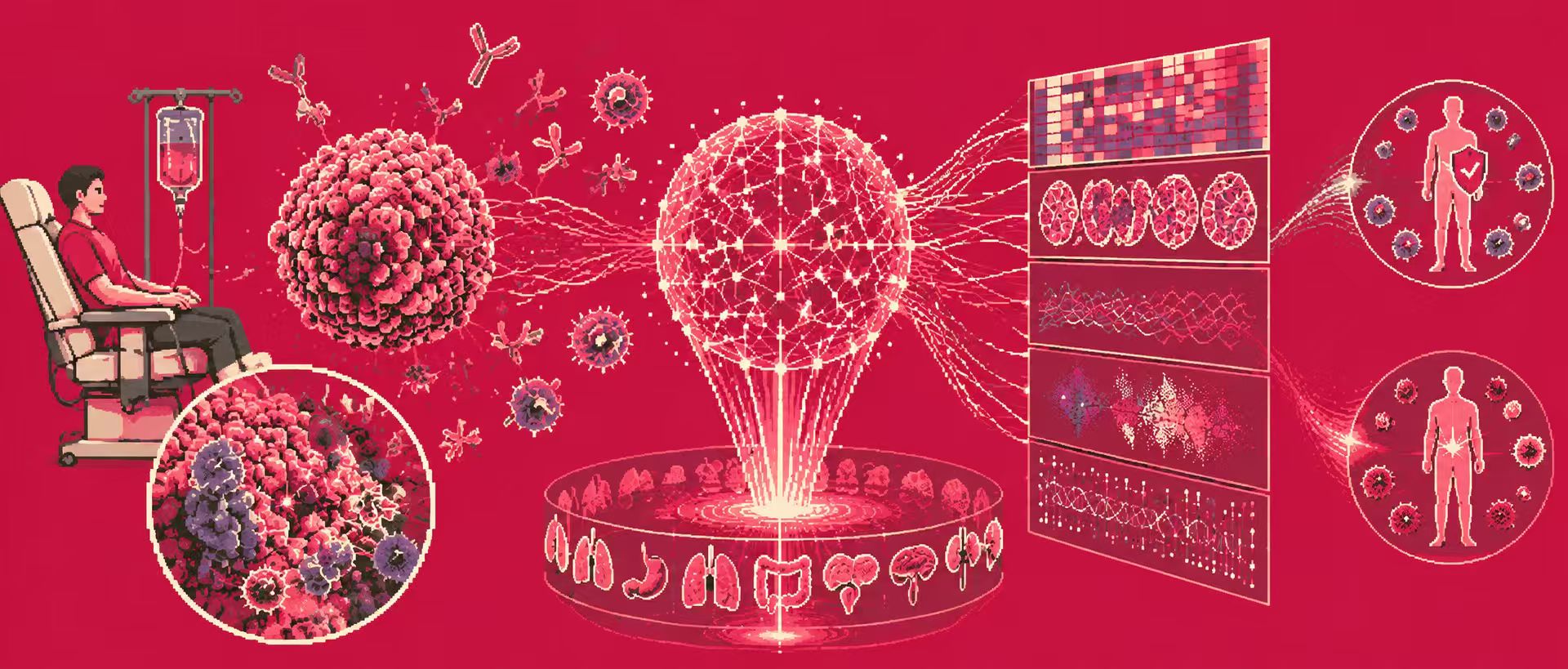
Over the past decade, immune checkpoint inhibitors (ICIs) have transformed the landscape of cancer treatment; however, they are not effective for all patients. Even when receiving the same immune checkpoint inhibitor, significant differences in efficacy persist among patients. Some achieve long-term remission, while others experience almost no treatment response. Therefore, improving the predictive ability of immune checkpoint inhibitor responses and identifying key mechanisms influencing treatment response and resistance are crucial.It is crucial for guiding individualized treatment and improving patient outcomes.
Currently, clinical research has explored various biomarkers for predicting the efficacy of immunotherapy. Among them, tumor mutational burden (TMB) and programmed death-ligand 1 (PD-L1) immunohistochemical staining (IHC) have been used in some clinical decisions; however, these indicators still have significant limitations. With the development of high-throughput sequencing technology, RNA sequencing (RNA-seq) provides a new way to observe tumor immune status.However, extracting the biological patterns that are truly relevant to treatment response from tens of thousands of gene expression data remains a huge challenge.
Against this backdrop, a research team from Harvard Medical School, Roche Pharmaceuticals, and Zhejiang University proposed a pan-cancer foundation model, COMPASS. This model was trained on 10,184 tumor samples from 33 cancer types and evaluated in 16 clinical cohorts covering 7 cancer types and 6 immune checkpoint inhibitors. The results showed that COMPASS outperformed 22 existing methods on average, improving prediction accuracy by an average of 8.51 TP3T and the area under the precision-recall curve (AUPRC) by 15.71 TP3T across different cohorts. Furthermore, COMPASS can generalize to cancer types and treatment regimens not covered in the fine-tuning phase, and holds promise for assisting in treatment indication selection and patient stratification.
The related research findings, titled "Generalizable AI predicts immunotherapy outcomes across cancers and treatments," have been published in Nature Medicine.
Research highlights
- COMPASS utilizes a concept bottleneck transformer to predict immunotherapy response based on overall tumor transcriptome data.
- COMPASS encodes gene expression using 44 biologically based immune concepts, covering key biological processes such as immune cell states, tumor-microenvironment interactions, and signaling pathways.
- COMPASS can not only predict immunotherapy responses, but also provide clues to mechanistic hypotheses for clinical trial design and translational medicine research.
 Paper address:
https://www.nature.com/articles/s41591-026-04502-7
Large-scale datasets covering multiple cancer types and treatment options
In order to build a model with generalization capabilities, the research team did not limit themselves to a single cancer type or a single clinical trial data, but integrated transcriptome data and immunotherapy cohorts from multiple public databases.
During the model pre-training phase, the research team utilized pan-cancer RNA sequencing data from The Cancer Genome Atlas (TCGA) database. The initial data included 11,274 samples and 60,660 genes. After removing normal tissue samples, samples from previously treated patients, and non-formaldehyde-fixed paraffin-embedded (non-FFPE) samples, the data was aggregated at the patient level based on the "bcr patient barcode."Ultimately, 15,672 protein-coding genes were selected as input to the model.
Subsequently, in order to train the model to predict the ability to respond to immunotherapy,The research team further collected pre-treatment bulk RNA sequencing data (bulk RNA-seq) and clinical treatment outcomes from 1,133 patients in 16 clinical cohorts (see figure below).
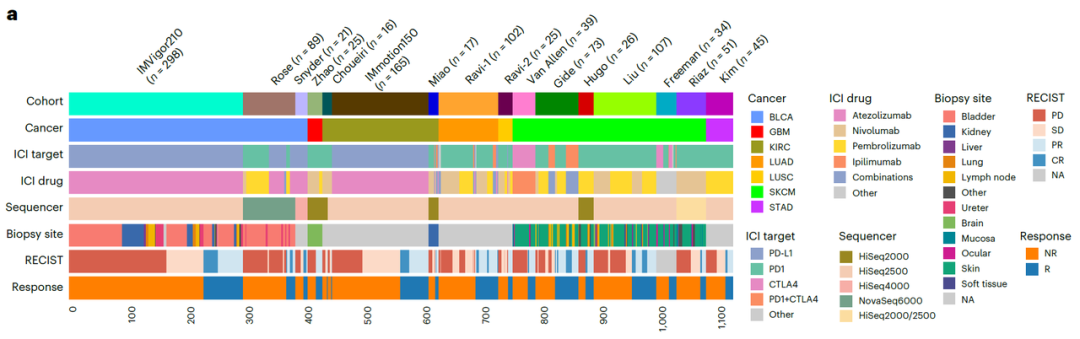
The cohort sizes ranged from 16 to 298 patients, and patients were divided according to treatment outcomes:
Responders: 346 people, accounting for 30.51% of TP3T, including patients with complete remission or partial remission;
Non-responders: 787 people, accounting for 69.5% of %, including patients with progressive disease or stable disease.
This dataset covers the high heterogeneity resulting from different cancer indications, treatment regimens, sequencing platforms, and research designs.
COMPASS****A basic model that can be applied across cancer types
COMPASS is a pan-cancer foundation model applicable across cancer types. This model learns interpretable tumor-immune concepts from transcriptomic data. COMPASS employs a conceptual bottleneck architecture, mapping patient transcriptomic data through a series of human-understandable biological concepts. For example, in retinal image analysis, such models can first predict tissue and lesion atlases, and then use these intermediate predictions to assist in diagnostic triage.
The COMPASS model consists of three main parts, and its overall architecture is shown in the figure below:
- **Gene language model (G)****LM):**As the encoder of the model, it is used to generate contextual representations of individual genes;
- **Hierarchical projector:**This involves translating gene-level embeddings into higher-level biological concepts, including immune cell types and signaling pathways.
- **Classifier:**Immunotherapy response prediction is accomplished based on conceptual representation.
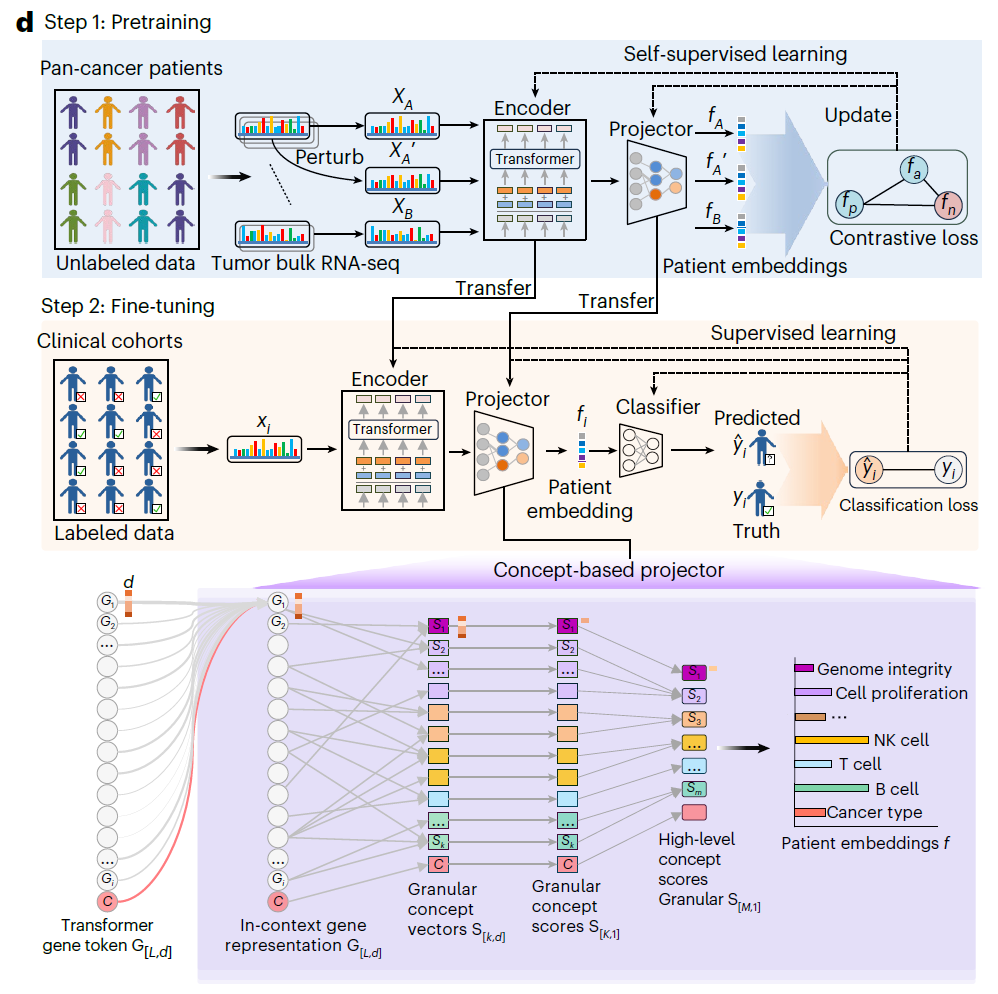
The research team drew inspiration from the Transformer architecture in natural language processing, treating each gene as a "token" and using the model to learn the contextual relationships between different genes. Unlike words in a language, which have a fixed order, gene expression data is inherently unordered. Therefore, COMPASS introduces learnable gene position biases, enabling the model to automatically learn the potential associations between different genes based on training data.
② Concept-based hierarchical projector
COMPASS follows the concept bottleneck paradigm. In this paradigm, input data is not directly mapped from latent features to predicted results, but rather first passes through a human-understandable conceptual layer. COMPASS was the first to introduce this architecture into the field of cancer transcriptome analysis, utilizing immune-related gene sets and establishing a hierarchical mapping relationship of gene → gene set → concept to characterize the tumor immune microenvironment of each patient.
③ Prediction module
COMPASS leverages these immune concept features to predict the probability of response after a patient receives immunotherapy. The model also supports multiple adaptation methods, including zero-shot prediction (NFT) without retraining, lightweight fine-tuning (LFT) that only adjusts the classification layer, partial parameter fine-tuning (PFT), and full model fine-tuning (FFT).
In addition, the research team proposed a multi-stage fine-tuning (MSFT) strategy. This method first uses pan-cancer immunotherapy data to learn general immune response patterns, and then further optimizes the model for specific drugs or cancer types, thereby improving the model's predictive ability in new treatment scenarios.
COMPASS demonstrates its advantages in cross-cancer and cross-drug prediction.
Multiple studies have shown that COMPASS demonstrates strong predictive capabilities across various test scenarios.
1. COMPASS achieves leading predictive performance in 16 immunotherapy cohorts.
Researchers compared COMPASS with 22 widely used methods for predicting ICI responses across 16 clinical cohorts. These methods included monogenic prediction models, immunographic scoring methods, and network- and machine learning-based prediction models. Model performance was evaluated using accuracy, area under the precision-recall curve (AUPRC), area under the ROC curve (AUROC), and Matthews correlation coefficient (MCC).
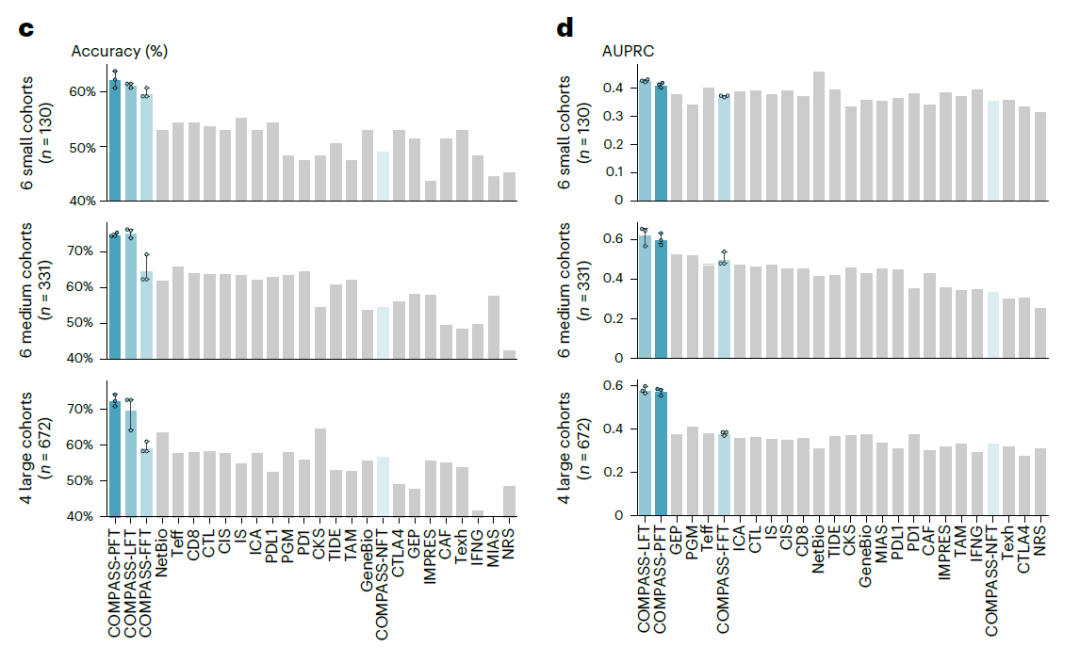
Compared to the second-ranked method:
COMPASS-PFT and COMPASS-LFT improved the accuracy of TP3T by an average of 8.51%.
The average AUPRC of TP3T was improved by 15.71.
On average, the MCC index of TP3T was improved by 12.31%.
These results demonstrate that COMPASS has stronger predictive power in predicting immunotherapy responses. The model performance remained stable across large, medium, and small clinical cohorts, with COMPASS-PFT and COMPASS-LFT consistently demonstrating superior performance in different application scenarios.
2. COMPASS demonstrates generalization ability both within and across immunotherapy cohorts.
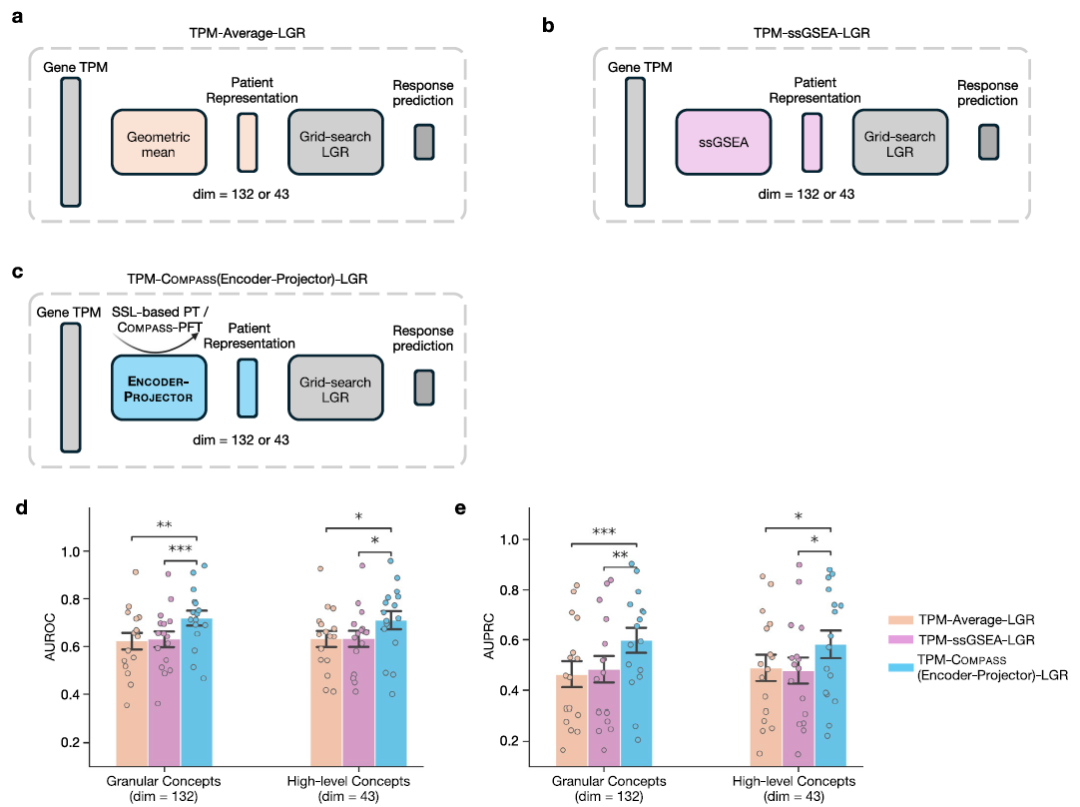
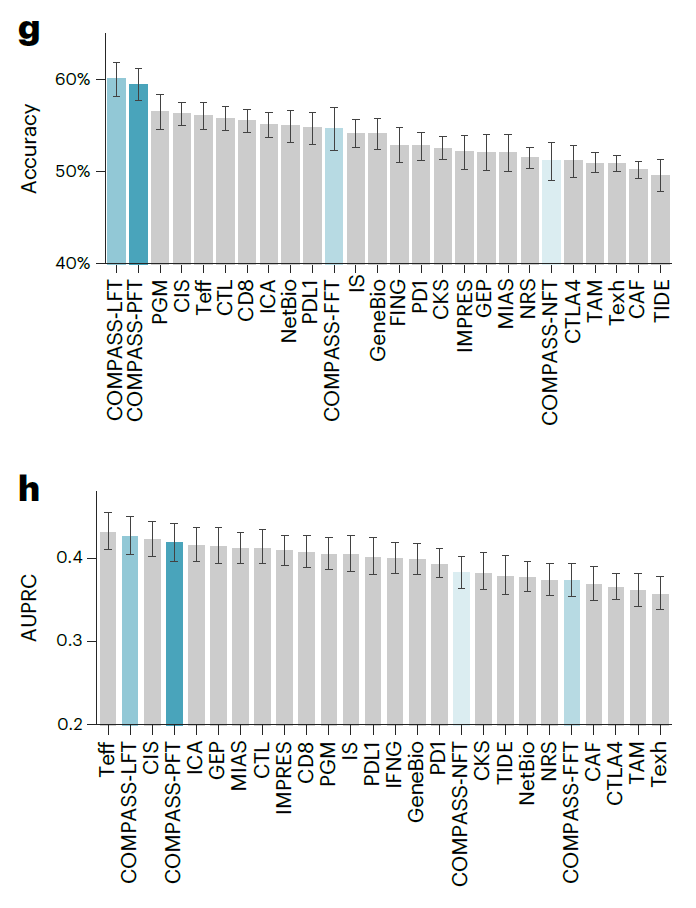
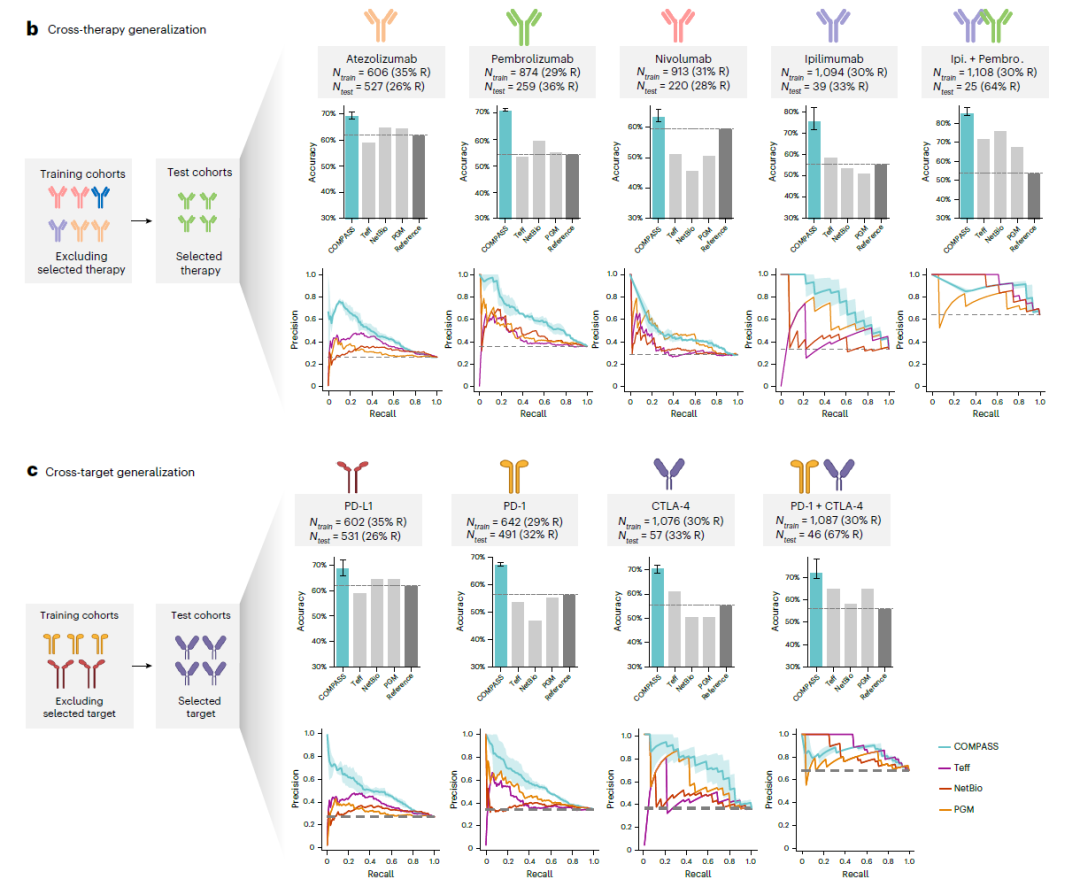
Researchers further evaluated the accuracy of COMPASS in predicting immunotherapy responses when training data came from only a single cohort. The study employed two benchmark evaluation strategies: intra-cohort leave-one-patient-out validation and cohort-to-cohort transfer across studies.
**In the queue-based validation, COMPASS achieved the best average performance across all queues (partial results are shown in the figure below).**However, model performance varies depending on the specific application scenario. In some cohorts and precision-recall comparisons, existing methods still outperform COMPASS. Among them, COMPASS-PFT, COMPASS-LFT, and COMPASS-FFT achieved the highest accuracy in medium and large cohorts; for small cohorts (fewer than 30 patients), the no-fine-tuning version (COMPASS-NFT) performed best.
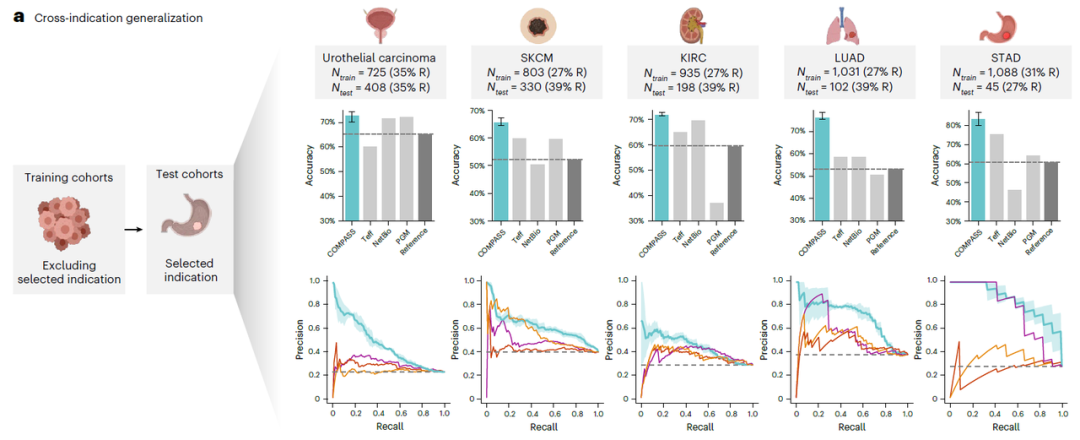
In cross-indication prediction tasks (as shown in the figure below), COMPASS-PFT can identify patients with treatment responses in cancer types not included in the training data. For example, even after excluding lung adenocarcinoma (LUAD) from the training data, COMPASS-PFT still achieves a prediction accuracy of 76.51 TP3T in an independent test cohort.This result indicates that COMPASS can identify key features that are universal in the anti-tumor immune process, rather than capturing transcriptional changes specific to a particular cancer type.
Conclusion
Today, immunotherapy is entering a new phase of greater precision. In the past, clinical research relied heavily on single indicators to determine potential patient benefit, such as PD-L1 expression levels or TMB. However, the tumor immune system is a highly complex and dynamic network, and a single indicator cannot fully describe a patient's true immune status. COMPASS offers a new approach: using artificial intelligence to learn complex immune patterns from large-scale transcriptomic data and translating these patterns into interpretable biological concepts.
Of course, the research team also pointed out that COMPASS is still an exploratory tool. Because the model relies on bulk RNA-seq data, its spatial resolution is limited, and some low-abundance immune cell signals may be masked. Furthermore, the model still needs more prospective clinical trials to validate it before it can be truly integrated into clinical decision-making systems. However, from a technological development perspective, COMPASS represents an important direction—future medical AI should not only improve predictive accuracy but also help doctors understand disease mechanisms and provide more transparent and reliable evidence for personalized treatment.
References: