Nemotron Nano 2 VL Powers Agentic AI for Enterprise Decision-Making with Vision and Policy Enforcement
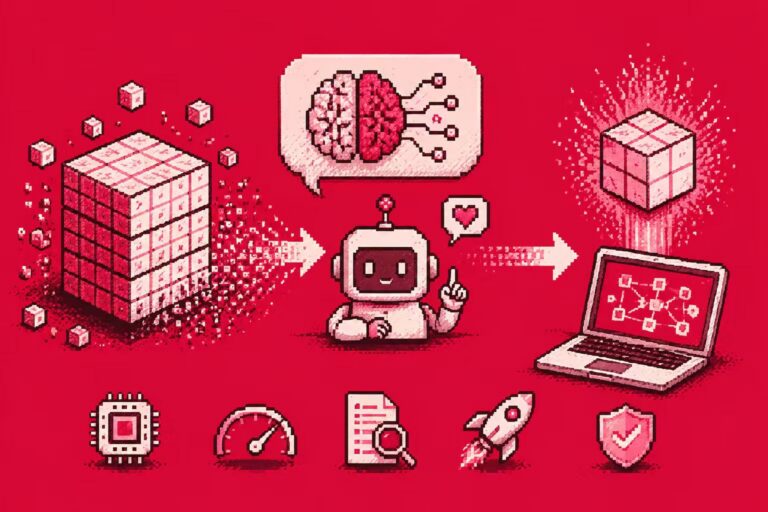
The integration of Nemotron Nano 2 VL as a multimodal agentic tool marks a pivotal shift in how AI is applied to enterprise decision-making. Rather than relying on a single monolithic model to both interpret documents and enforce policies, this new approach separates responsibilities—using specialized models for specific tasks, orchestrated by a higher-level reasoning agent. In the previous implementation, Nemotron was used directly to read invoices, extract totals, and explain its findings. While effective for isolated document analysis, it fell short in handling real-world business workflows that require policy compliance, multi-step logic, and judgment. The current architecture solves this by introducing an agentic pattern: Grok 3 Fast acts as the orchestrator, managing the decision-making process, while Nemotron Nano 2 VL serves as a vision specialist, focused solely on analyzing invoice images. This division of labor brings three key advantages. First, cost efficiency. Nemotron Nano 2 VL is a 12B-parameter model optimized for vision tasks—small enough to run efficiently, yet powerful enough to extract accurate data from complex invoices. Using a smaller, specialized model for vision reduces compute costs compared to running a massive 400B model for the same task. Second, data sovereignty. Nemotron can operate locally on NVIDIA hardware, even in air-gapped environments. Sensitive invoice images never leave the organization’s infrastructure. Only extracted text—such as vendor names, amounts, and line items—is sent to the cloud-hosted orchestrator (Grok). This ensures compliance with strict data privacy and security policies. Third, system flexibility. The vision model is wrapped as a LangChain tool, making it swappable. If a new version like Nemotron Nano 3 becomes available, it’s a simple code change. The agent logic remains untouched. Similarly, the orchestrator can be swapped out—Grok, Claude, or GPT—without altering how the vision component works. This loose coupling is essential for building scalable, maintainable AI systems. The tool decorator pattern also simplifies development. Instead of manually handling base64 encoding, streaming, and message formatting, developers interact with a clean, high-level interface. The agent calls analyze_invoice_image with a simple query, and receives structured output—abstracting away complexity. In the demo, the agent reviews three invoices. Nemotron extracts data from each image, and Grok evaluates it against a company expense policy. The results show all three invoices were rejected—two for containing prohibited gaming hardware, one for missing date and insufficient itemization. The final output is a clear, actionable summary. This approach represents the future of enterprise AI: not one-size-fits-all models, but composed systems where each component excels at its role. Vision reads. Reasoning decides. Policy enforces. And all while keeping data secure and costs under control. The 150 lines of Python code demonstrate how accessible and practical this architecture is. With minimal setup and clear separation of concerns, businesses can build intelligent, compliant, and scalable workflows using off-the-shelf tools and models. This is not just a technical upgrade—it’s a paradigm shift. From passive document readers to active, policy-aware agents, AI is evolving from a tool that answers questions to one that makes decisions. And that change is already happening in real enterprise systems today.