Periodic Labs Deploys 1T Kimi-Trained Model Surpassing GPT-6 in Material Labs
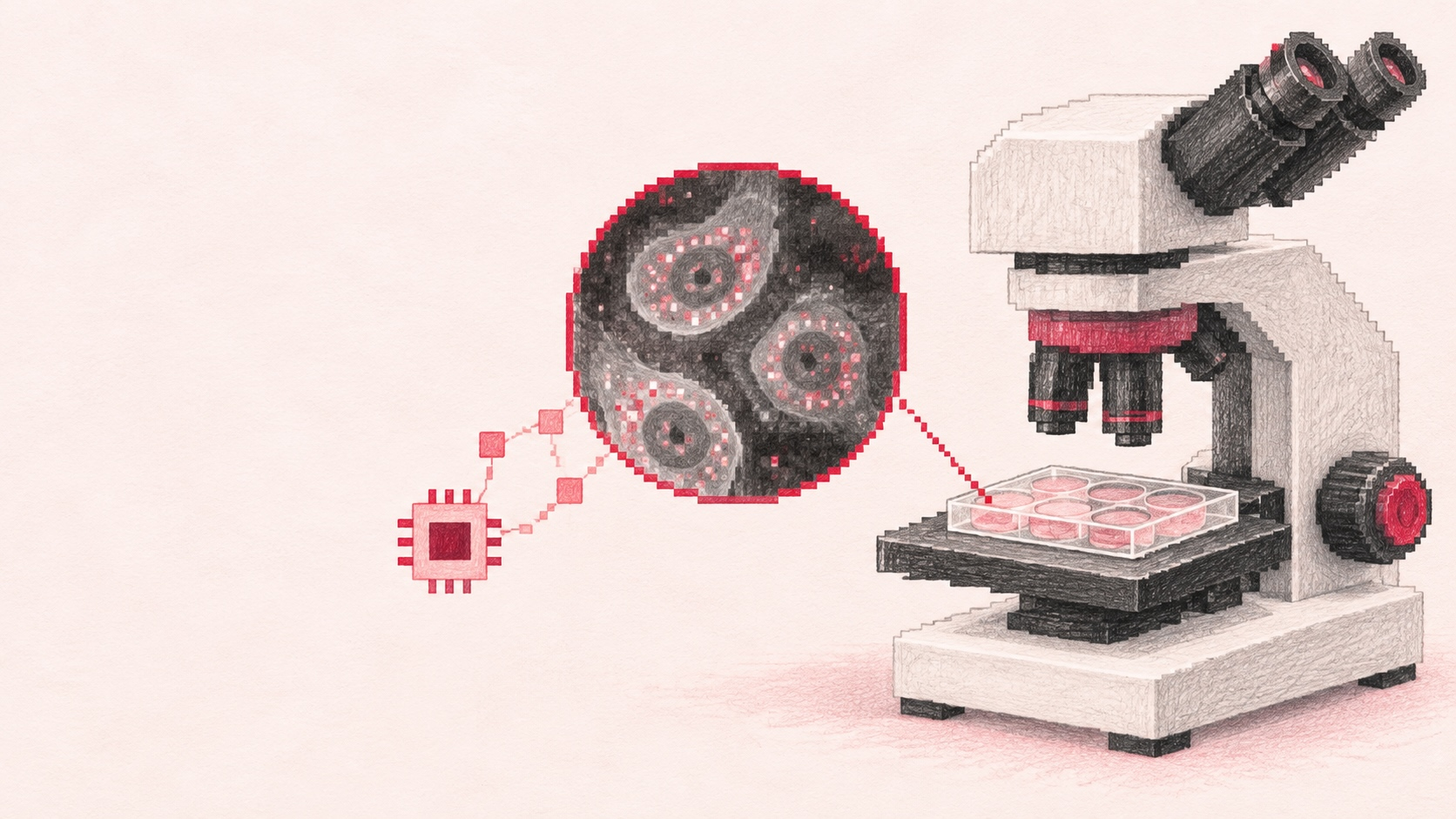
Periodic Labs, a Menlo Park-based artificial intelligence startup founded by former OpenAI and Google DeepMind researchers, has unveiled Periodic Neon, a one-trillion parameter foundation model engineered for advanced materials science. Trained by fine-tuning the open-weight Kimi K2.6 architecture, the company deployed the model within its high-throughput laboratory to automate the analysis of complex X-ray diffraction data. Neon was developed through intermediate training on scientific literature and code, followed by reinforcement learning using proprietary experimental datasets. The training pipeline utilized approximately 1,300 NVIDIA H200 GPUs and a custom inference stack built on open-source frameworks including Megatron, SGLang, Miles, and Ray. To address the specific challenges of materials analysis, such as overlapping diffraction peaks and multi-phase sample identification, the team integrated a scientific harness that provides the model with real-time experimental context, crystallographic databases, and analytical tools. In internal evaluations using the FrontierXRD benchmark, Neon achieved a 55.3 percent success rate on complex samples, dramatically outperforming the unmodified K2.6 baseline at 2.7 percent. The company reports that Neon also surpassed leading commercial models, including GPT-6 Astra and Claude Fable 5.1, under identical testing conditions. Independent third-party validation is pending. Beyond data analysis, Periodic Labs has expanded its Menlo Park facility into a fully automated, around-the-clock experimental environment. The model is now being integrated into the complete research lifecycle, assisting in experimental planning, synthesis design, and iterative decision-making. This closed-loop system is designed to continuously generate training data from both successful outcomes and negative results, accelerating the discovery of novel superconductors and magnetic materials. The initiative is led by co-founders Liam Fedus, former OpenAI vice president of research, and Ekin Dogus Cubuk, a former DeepMind machine learning scientist and principal researcher on the GNoME project. The scientific advisory board includes Stanford professor Zhi-Xun Shen, an expert in condensed matter physics. Periodic Labs initially secured $300 million in seed funding in September 2025, attracting investments from Andreessen Horowitz, Felicis, DST, Accel, and prominent industry figures including Jeff Bezos and Eric Schmidt. Following rapid infrastructure development, the company is currently negotiating a subsequent funding round at an estimated valuation of $7.5 billion. In addition to advancing open research, Periodic Labs has begun commercializing its AI-driven experimental systems. The company has partnered with an unnamed semiconductor manufacturer to develop custom agents for thermal management analysis, aiming to reduce material development cycles. As the startup transitions from model development to integrated autonomous laboratories, it positions itself at the forefront of applying large-scale AI to physical science and industrial R&D.