Researchers Build Comprehensive Single-Cell Atlas of Human Brain Disease
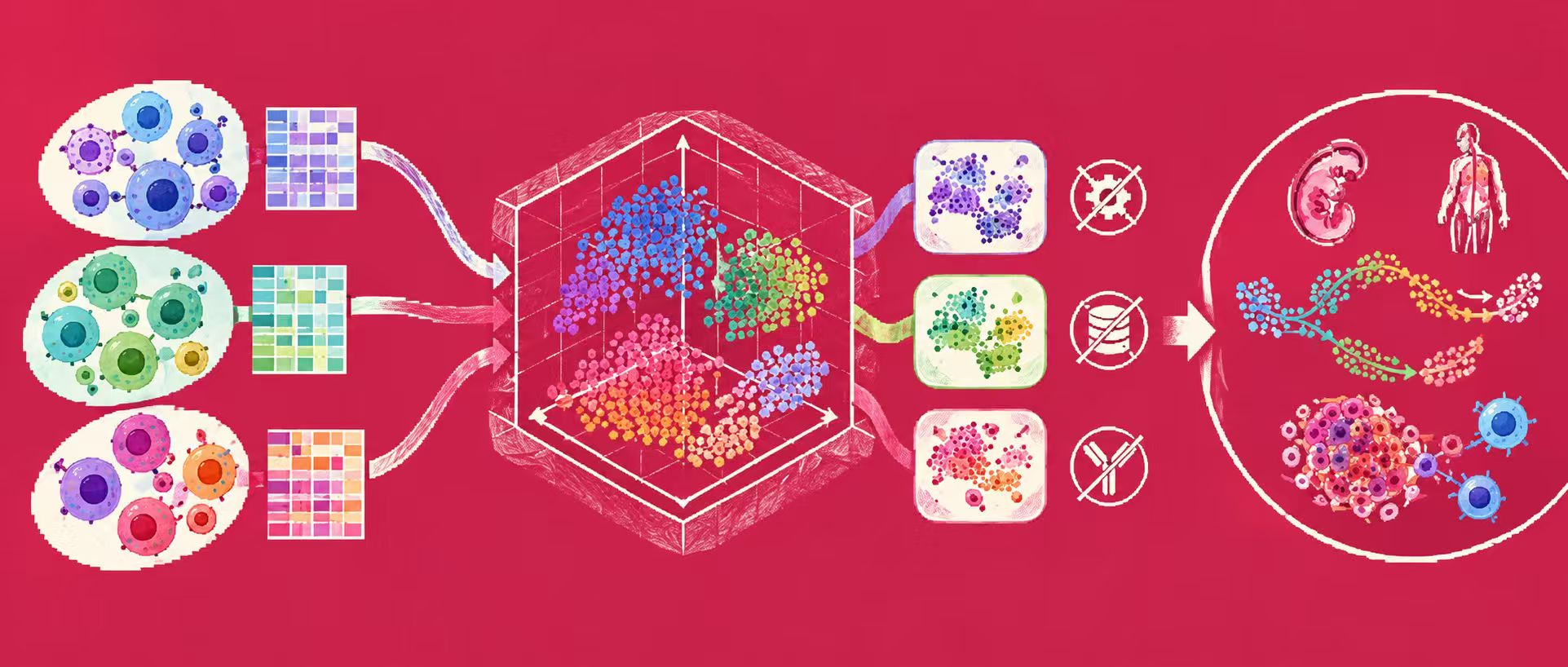
A landmark research initiative spearheaded by the PsychAD Consortium at the Icahn School of Medicine at Mount Sinai has produced one of the world’s most comprehensive single-cell atlases of human brain disease. Supported by the National Institute on Aging, the consortium’s coordinated findings are detailed across nine papers published in the Nature family of journals. The publication marks a pivotal advancement in neuroscience, leveraging large-scale single-cell genomics to decode the molecular architecture underlying Alzheimer’s disease, Parkinson’s disease, schizophrenia, bipolar disorder, and other neuropsychiatric conditions. At the core of the collection is a population-scale analysis of the human dorsolateral prefrontal cortex, encompassing 6.3 million cell nuclei from 1,494 donors. By comparing disease-affected tissue against neurotypical controls, researchers mapped both shared molecular pathways and distinct cellular signatures across neuronal, glial, immune, and vascular populations. The atlas reveals how disparate neurological and psychiatric disorders converge on common biological processes while maintaining unique disease-specific features. Complementing this, a companion study integrated single-nucleus transcriptomics with human genetics to pinpoint how inherited risk variants drive gene expression in specific brain cell types, effectively bridging the gap between broad genetic association studies and cellular-level disease mechanisms. The consortium also addressed critical gaps in precision medicine and aging research. An artificial intelligence framework named PASCode successfully identified cellular states linked to Alzheimer’s pathology, cognitive decline, and neuropsychiatric symptoms, highlighting significant biological diversity among patients. A separate lifespan analysis profiling 1.3 million cells from 284 neurotypical donors aged infancy to 97 uncovered three distinct molecular phases of brain development, aging, and immune reprogramming. Notably, the research demonstrated that neuronal circadian rhythms deteriorate after age 60, while immune cells adopt stress-related rhythmic patterns, offering new insights into late-life neurodegeneration. To manage the computational complexity of these datasets, the team developed two analytical tools: dreamlet for efficient differential expression analysis across millions of cells, and crumblr for scalable assessment of disease-associated cellular composition shifts. All cohort designs, harmonized metadata, and standardized pipelines have been released as an open-access resource to accelerate global neuroscience research. Consortium leaders emphasize that this publication represents only the initial phase of a broader effort. The team plans to harmonize external single-cell datasets to expand the atlas to approximately 10,000 individuals, enabling deeper characterization of disease trajectories. Concurrently, Mount Sinai researchers are deploying robotic screening platforms to test drug candidates targeting molecular pathways identified in the atlas. By translating large-scale genomic discoveries into targeted therapeutic pipelines, the PsychAD Consortium is establishing a foundational blueprint for the next generation of precision treatments for brain disorders.