Molecular Analysis Reveals Aggressive Markers in Low-Risk Prostate Tumors
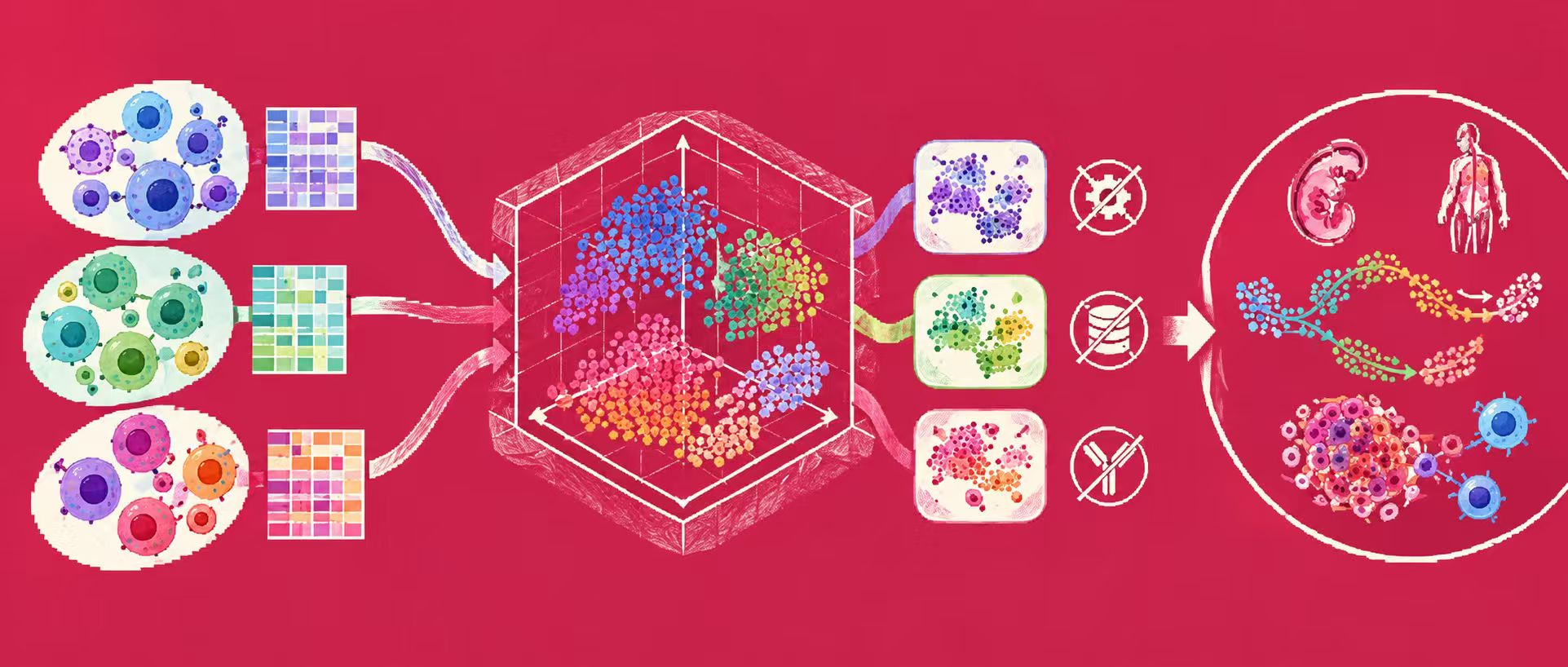
Researchers at the KTH Royal Institute of Technology in Sweden have identified molecular markers in low-risk prostate tumors that correlate with more aggressive cancer trajectories, a discovery published in npj Digital Medicine in 2026. The study demonstrates that biological features undetectable through standard clinical risk assessments can be uncovered by integrating multi-omics data with advanced computational modeling. Led by Assistant Professor Arian Lundberg and Assistant Professor Golnaz Taheri, the research team combined genomics, transcriptomics, and epigenomics to construct a comprehensive, patient-specific view of tumor biology. By analyzing DNA alterations, active gene expression, and epigenetic regulatory changes simultaneously, the researchers bypassed the limitations of isolated molecular layers. Machine learning algorithms, developed under Taheri’s supervision, were employed to map the dynamic topological rewiring of the ZNF268 gene network, capturing an active transitional state that signals a shift toward malignancy. The findings, derived from extensive Swedish and global clinical cohorts, highlight a subset of low-risk patients whose tumors harbor hidden aggressive potential. This data-driven approach to precision medicine underscores the value of computational biology in addressing complex oncological challenges. According to Lundberg, the integration of large-scale molecular datasets with network analysis enables a more accurate depiction of tumor behavior than conventional clinical metrics. While the methodology remains in the preclinical research phase, the study lays the groundwork for refined risk stratification and targeted therapeutic interventions. The research team plans to validate the identified molecular vulnerabilities through laboratory experiments to determine whether these findings can guide earlier or more precise treatment strategies. Ultimately, the goal is to translate these computational insights into clinical practice, enabling oncologists to distinguish between indolent and progressive disease states and to design personalized interventions for patients currently overlooked by standard risk classification systems.