AI Startup Uses Brain Signals to Label Robotic Training Data
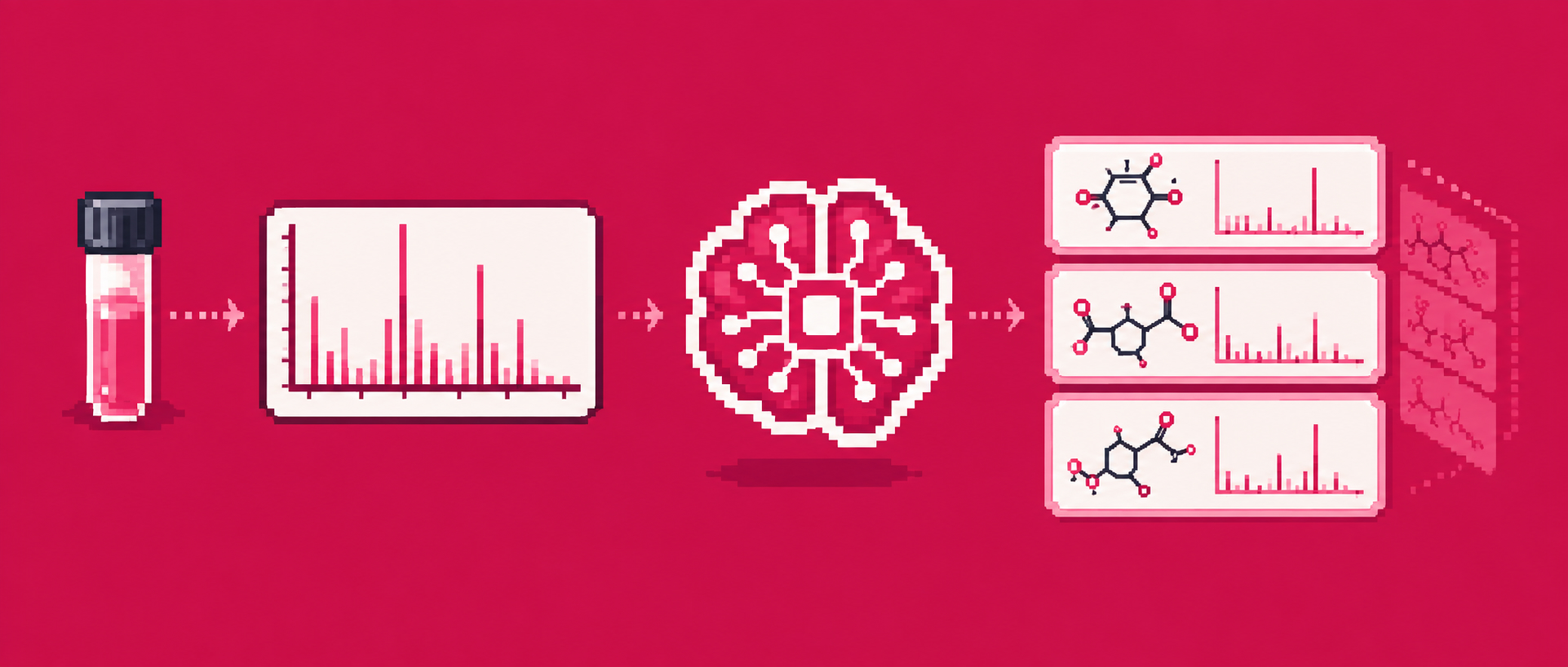
AI data infrastructure company Encord is pioneering a new approach to training embodied intelligence by integrating human brainwave signals into robotics datasets. In partnership with German neurotechnology firm Zander Labs, the startup is conducting trials in a California warehouse where operators perform physical tasks while wearing a passive electroencephalography headband. The initiative addresses a critical bottleneck in physical AI: the scarcity of high-fidelity training data that captures not only human movement but also underlying cognitive states. Traditional first-person video and teleoperation recordings fall short in conveying why an operator pauses, alters course, or detects an error. To bridge this gap, Encord and Zander Labs are synchronizing EEG signals with visual and kinematic data. Zander Zypher wearable continuously monitors neural activity without requiring conscious effort, capturing passive signals that correspond to attention, surprise, and error-related potentials. Advanced classification algorithms filter environmental and physiological noise to identify specific neural markers, which are then time-aligned with corresponding video frames and motor commands. These synchronized data streams generate probabilistic auxiliary labels that indicate moments of cognitive load, mistake recognition, or unexpected environmental feedback. Rather than decoding precise thoughts, the system flags critical decision points, enabling robot models to learn human intent and recognize high-risk scenarios more accurately. Encord estimates that this deeply annotated multimodal dataset could increase training value by up to a hundredfold compared to standard video footage. The neural labels also provide a mechanism for dynamic compute allocation, allowing robotic systems to route simpler tasks to lightweight models while directing complex, cognitively demanding operations to more powerful reasoning architectures. Encord, founded in London in 2020 by Ulrik Stig Hansen and Eric Landau, has evolved from a computer vision annotation platform into a comprehensive data infrastructure provider managing over five petabytes of multimodal data. The company recently secured thirty million dollars in funding to accelerate development of these novel data pipelines. Alongside EEG trials, Encord is also experimenting with electromyography sensors on operators forearms to reconstruct obscured hand movements. The collaboration remains in a controlled pilot phase. The immediate objective is to validate whether neural-derived labels improve the performance of end-to-end robotic learning systems when applied to customer models. If successful, the framework could establish a standardized methodology for capturing human cognitive feedback, fundamentally shifting how physical AI models are trained. By moving beyond purely visual and kinematic datasets, the initiative aims to equip next-generation robots with a deeper, more nuanced understanding of human operational intent and error correction.