Stanford Team Builds AI Drug Company With 37,000 Agents.
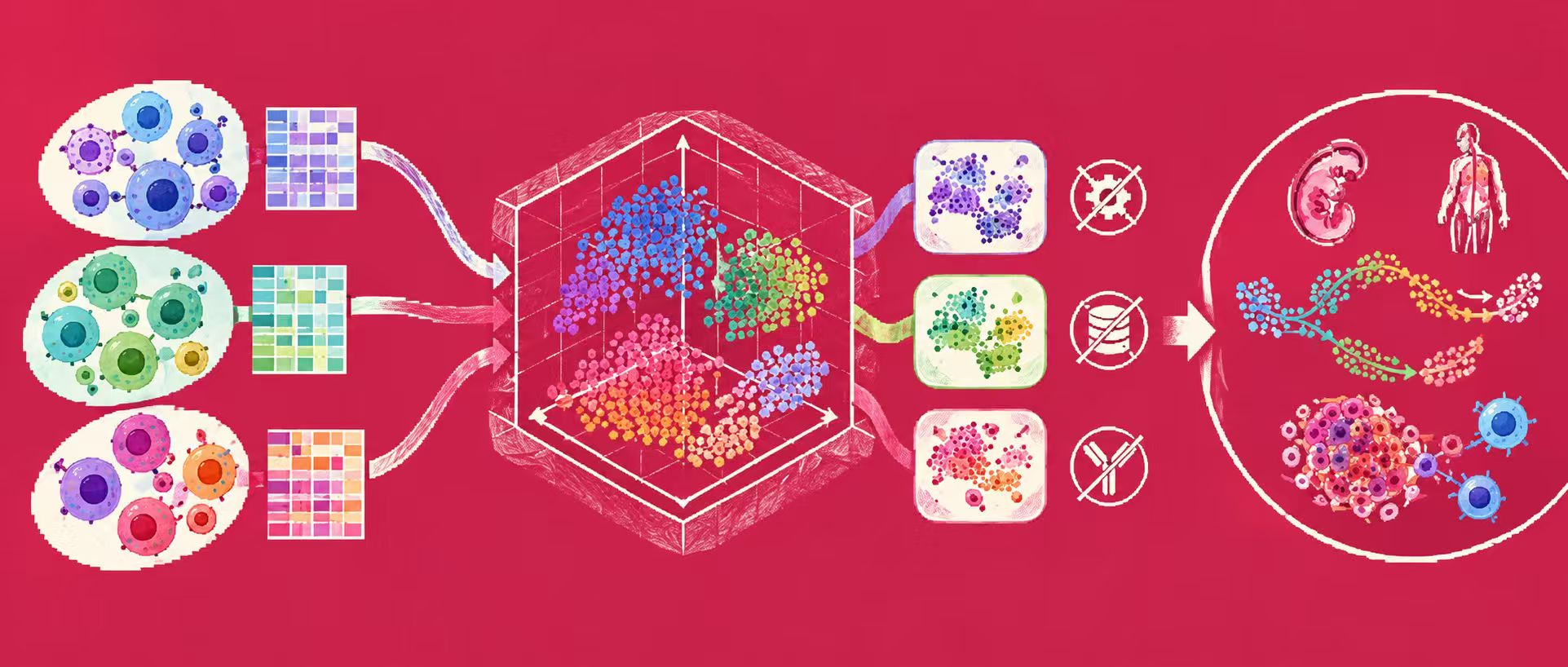
Stanford University researchers, led by James Zou at the Stanford AI Lab, have introduced Virtual Biotech, a multi-agent artificial intelligence framework designed to autonomously manage the end-to-end drug discovery pipeline. Published in Science, the system operates as a fully virtual pharmaceutical company, coordinating up to 37,000 specialized AI agents to handle tasks ranging from target identification and safety assessment to clinical trial analysis. Structured around a virtual chief scientific officer that delegates and oversees operations, the framework integrates distinct computational departments equipped with access to major biomedical databases such as Open Targets, ClinicalTrials.gov, and ChEMBL. Each agent specializes in specific domains, while independent reviewer agents validate findings before proceeding, creating a rigorous, self-correcting workflow. The architecture is model-agnostic, currently powered by Anthropic models but designed to interface with other capable large language models. To demonstrate scalability, the team tasked the system with synthesizing outcomes from over 37,000 historical clinical trials. While traditional review would require months, Virtual Biotech completed the comprehensive data extraction and analysis in under six hours through massive parallel processing. Leveraging this historical dataset, researchers identified key correlations between targeted cellular expression patterns and higher clinical success rates, offering data-driven insights for future target prioritization. The framework prospective utility was highlighted in a lung cancer study. Virtual Biotech independently analyzed genetic, single-cell, and spatial transcriptomic data alongside prior clinical records to recommend an antibody-drug conjugate targeting B7-H3 for lung cancer. The system generated this recommendation using only data available prior to early 2025. Subsequently, the FDA granted breakthrough therapy designation to ifinatamab deruxtecan, a B7-H3 ADC developed by Daiichi Sankyo and Merck, which later demonstrated a 48.2 percent objective response rate in phase II trials. This external validation underscores the system capacity to generate biologically sound and clinically relevant therapeutic strategies. Beyond forward-looking discovery, Virtual Biotech was applied to retrospectively analyze a failed ulcerative colitis trial. The agents identified patient stratification shortcomings linked to elevated OSMR expression and proposed revised biomarker directions, demonstrating its utility in deconstructing clinical setbacks. Virtual Biotech expands upon the team previous Virtual Lab initiative. By transitioning from a single research question to a comprehensive pharmaceutical operational model, the framework aims to accelerate therapeutic development. The code and an interactive platform are publicly accessible. The team plans to transition in silico findings into wet-lab validation, marking a significant step toward AI-driven pharmaceutical operations.