Quantum-Inspired AI Tailors Cancer Treatment to Molecular Profiles
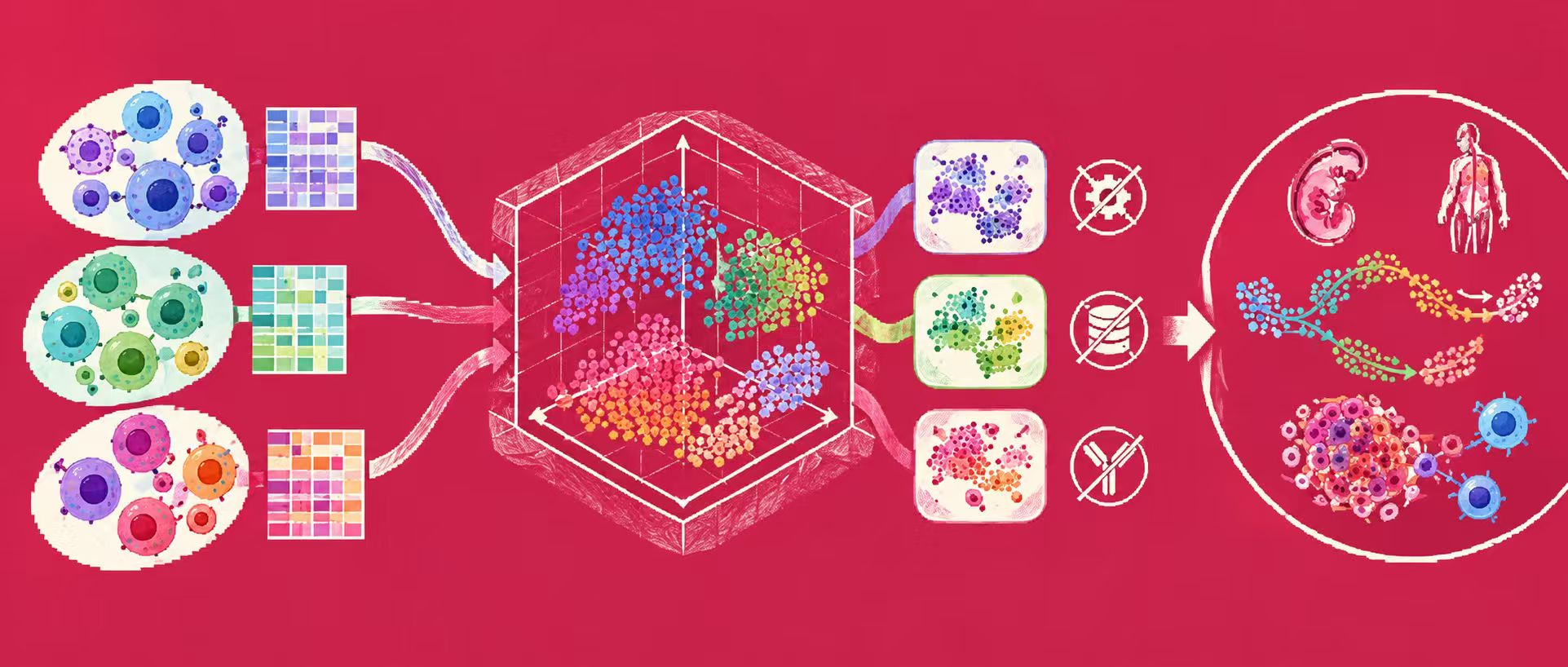
Researchers at the University of Utah have developed a quantum-inspired artificial intelligence framework capable of personalizing cancer treatment by analyzing comprehensive molecular profiles from small patient cohorts. Led by Dr. Orly Alter, an associate professor of biomedical engineering at the Scientific Computing & Imaging Institute, the team published their findings in APL Quantum and presented the work at the Precision Medicine World Conference in Santa Clara, California, in January 2024. Conventional machine learning models require vast training datasets to process genomic data, making them unsuitable for clinical trials that typically involve only dozens of participants. To overcome this limitation, Alter’s team adapted quantum mechanical principles, specifically entanglement and superposition, into a mathematical framework called multitensor comparative spectral decompositions. This approach functions similarly to a prism dispersing white light, breaking down millions of interconnected tumor and blood DNA and RNA features into orthogonal, linked patterns. The model processes this high-dimensional data from as few as 71 neuroblastoma patient samples to identify predictive biomarkers and underlying disease mechanisms. The AI framework successfully identified two new predictors of life expectancy in response to neuroblastoma treatment. These predictors consistently outperformed standard clinical biomarkers across independent patient groups treated at different facilities, demonstrating strong generalizability. Unlike opaque neural network models, the quantum-inspired algorithm yields interpretable results that directly highlight specific genes and biological pathways for therapeutic targeting. The team experimentally validated these computational predictions using CRISPR-Cas9 gene editing in both neuroblastoma and glioblastoma models, confirming the model’s accuracy in identifying viable drug targets. The research addresses a critical bottleneck in oncology, where treatment outcomes depend on complex, system-wide molecular interactions rather than isolated gene mutations. By enabling precise outcome prediction and target identification with limited clinical data, the technology offers a scalable pathway for precision medicine. Alter anticipates the framework’s eventual application to individual patient profiles, achieving true single-patient customization. The methodology is also data-agnostic, with potential applications extending beyond healthcare into fields such as sustainable energy. To accelerate commercial translation, Alter founded Prism AI Therapeutics, Inc., a university spinoff dedicated to distributing the algorithms to biotechnology and pharmaceutical developers. The company leverages the framework to optimize clinical trial patient selection and enhance drug development pipelines. As quantum computing and advanced machine learning converge, this research establishes a new standard for handling high-dimensional biological data, bridging computational innovation with actionable clinical insights.