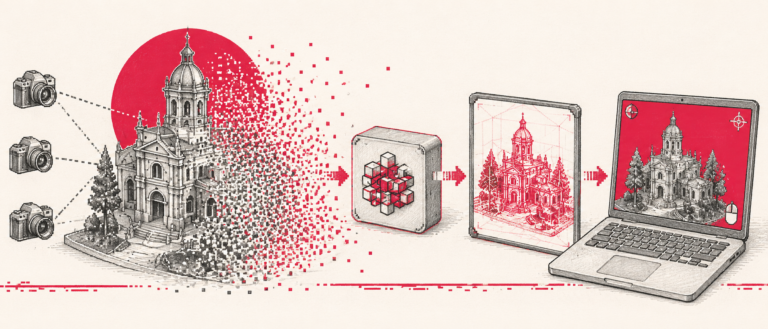
McKinsey AI Over PowerPoint
McKinsey consultants are dramatically reducing their reliance on PowerPoint, replacing traditional slide decks with AI-driven platforms that streamline project management and client collaboration. Kate Smaje, the firm’s Global Leader for Technology and AI, confirmed a sharp decline in PowerPoint usage over recent months as employees integrate artificial intelligence into their daily workflows. The shift is exemplified by Louis-Charles Généreux, an engagement manager at the firm, who developed an AI-assisted web platform dubbed the client visualization hub. Designed for a complex engagement with a North American cable operator involving approximately seventy personnel, the centralized dashboard replaces legacy slide decks. Traditional deck management frequently resulted in version control fragmentation, with teams accessing outdated email attachments and struggling to navigate hundreds of slides. The new system consolidates analysis, visuals, and project updates into a searchable, continuously updated interface. Access is restricted to project stakeholders via firm-approved authentication, and automated weekly outputs now generate podcast-style summaries and executive memos. This transition has eliminated informational silos, ensuring all participants operate from a single, synchronized source of truth. Rather than serving as the primary workspace, PowerPoint is now reserved exclusively for final deliverables. The substantive analytical work has migrated to AI environments where consultants stress-test hypotheses, conduct rapid modeling, and format outputs on demand. This operational pivot aligns with McKinsey’s broader technological transformation. CEO Bob Sternfels previously estimated the firm’s capacity at forty thousand humans and twenty-five thousand AI agents. Smaje recently noted that AI agent deployment has multiplied substantially since that baseline, embedding machine intelligence into the core consulting lifecycle. According to Smaje, this technological integration accelerates the early problem-solving phase, compressing what traditionally required a week of research and synthesis into an hour. The rapid turnaround allows teams to dedicate additional hours to deeper exploratory analysis and iterative testing. Engineers, product owners, and executives can now evaluate novel concepts in real-time through structured collaboration sessions, replacing previously dormant hypotheses with validated insights. Smaje emphasized that this evolution does not diminish the human consultant’s role but rather clarifies where premium value is generated. Strategic judgment, pattern recognition, and client execution remain central, while AI handles the computational and organizational heavy lifting. The industry-wide adoption of AI by major consultancies is simultaneously reshaping traditional pricing structures, workforce training requirements, and talent acquisition models. As autonomous agents assume increasing knowledge work responsibilities, firms are recalibrating how client engagements are scoped and valued. McKinsey’s internal workflow transformation demonstrates a broader sector trend: artificial intelligence is no longer a peripheral efficiency tool but the foundational infrastructure of modern consulting. By automating administrative friction and accelerating insight generation, leading advisory firms are establishing new benchmarks for operational speed and strategic depth in an increasingly digital enterprise landscape.