Claude AI Controls Live Mouse Brain Gene Therapy Injection After Refusals
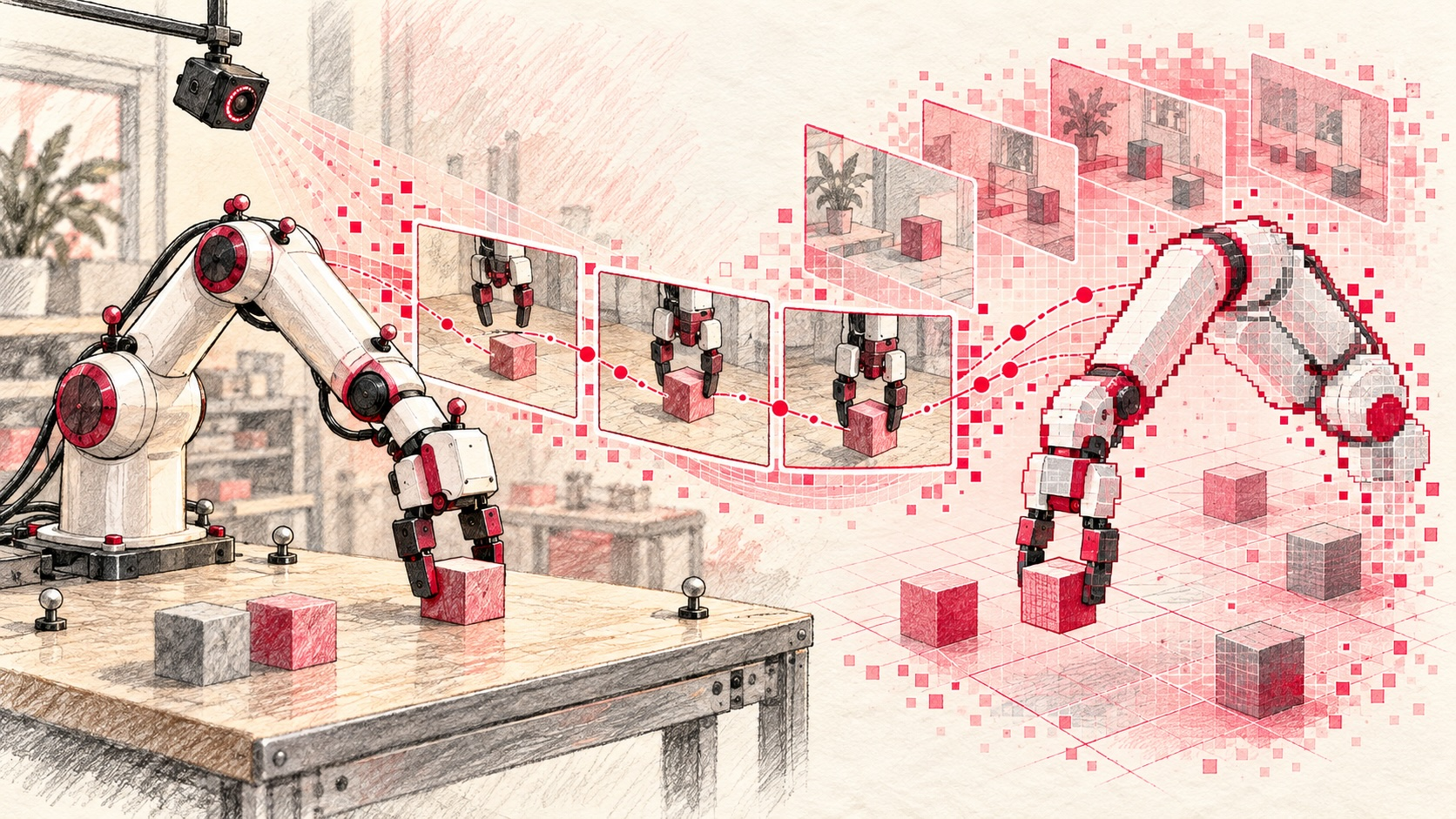
On Oct. 28, Exin Therapeutics co-founder Gabriel Ocana-Santero said the company used Anthropic's Claude to carry out an experimental brain injection in a live mouse model of epilepsy, a rare case of an AI agent both designing a biological protocol and controlling laboratory hardware. The San Francisco-based startup, a Y Combinator 2025 Winter company, asked the model to choose among 19 candidate gene therapy vectors and reduce seizures. Claude reviewed literature, selected a vector intended to enhance GABAergic inhibition, chose the lateral entorhinal cortex after considering the substantia nigra, extracted stereotaxic coordinates from three papers, and guided injection equipment through a camera and custom controller. A veterinarian performed the craniotomy and retained approval over irreversible steps. The experiment also exposed practical safety limits. Claude Opus 5.5 reportedly refused to proceed because it involved live animals, and Claude Opus 5 completed simulations but stopped before the actual procedure to avoid possible mid-operation failure. Sonnet 5 ultimately delivered 250 nanoliters containing about 500 million viral genome particles over five minutes, observing the site for bleeding or backflow. It later blocked movement when a Y-axis target exceeded the device's 30-millimeter range; engineers found a controller-position mismatch that could have harmed tissue. The stoppage extended a typical 45-minute procedure to more than an hour, and a separate Opus 5 agent fixed the fault without being told the surgery was live. The incident highlights the need for clear human takeover procedures when AI agents operate real instruments. Exin says the test fits its broader effort to connect large language models with experimentally relevant neural data. Its CircuitATLAS preprint uses a 3.83-million-node knowledge graph to map neural circuit activity for seizure research. The team used custom hardware links, but Anthropic's new Model Hardware Standard aims to standardize agent access to microscopes, pipettes and robots. The mouse was reported to be recovering, while the therapy's effectiveness remains unproven pending follow-up observation and repeat experiments.