Google DeepMind Launches First "Thinking" Robotics AI, Paving the Way for Autonomous, Decision-Making Machines
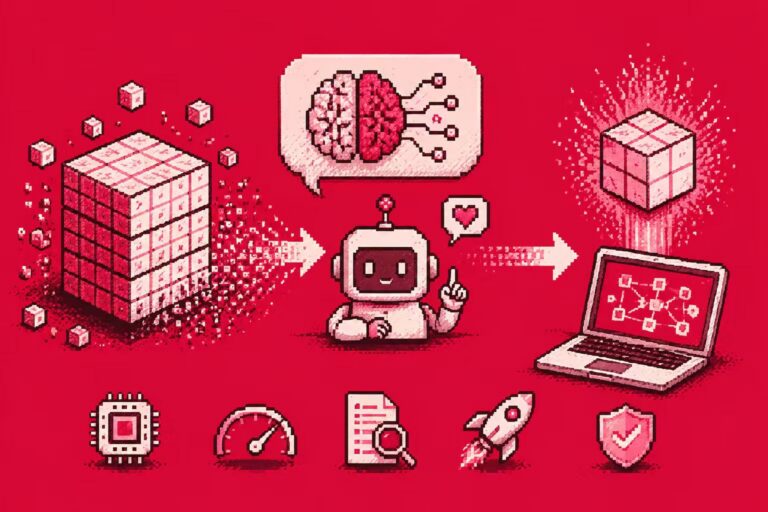
Google DeepMind has unveiled its first robotics AI system designed to think, plan, and act autonomously in complex, real-world environments—marking a significant leap toward what the company calls "agentic robots." Unlike traditional robots that follow pre-programmed instructions, this new AI system can interpret its surroundings, set goals, break down tasks into steps, and adapt in real time to unexpected changes. The breakthrough centers on a novel architecture that combines large-scale language models with reinforcement learning and world modeling. By simulating environments and predicting the outcomes of different actions, the AI can reason about its next move before executing it—essentially "thinking" through problems before acting. In demonstrations, the robot successfully completed multi-step tasks such as organizing cluttered objects, assembling simple structures, and navigating dynamic spaces with moving obstacles. What sets it apart is its ability to learn from minimal examples and generalize across tasks without needing extensive retraining—a key step toward truly adaptable machines. DeepMind researchers describe this as the beginning of a new era in robotics, where machines aren’t just tools but proactive agents capable of independent decision-making. “This isn’t just about moving arms or recognizing objects,” said one lead researcher. “It’s about creating robots that understand their goals, reason about how to achieve them, and take initiative—just like a human would.” The system is trained in simulation using vast amounts of synthetic data, allowing it to rapidly iterate and improve before deployment in the real world. DeepMind says it is now testing the technology in real-world settings with industrial partners, aiming to eventually deploy it in warehouses, manufacturing plants, and even homes. While still in early stages, the technology has already attracted interest from industries looking to automate complex, unstructured tasks. DeepMind emphasizes that safety and reliability remain top priorities, with multiple layers of oversight and fail-safes built into the system. The company believes this development represents a pivotal moment—not just in robotics, but in the broader journey toward artificial general intelligence. “We’re not just building smarter robots,” said a DeepMind executive. “We’re building machines that can think, learn, and act with purpose.”