Vibe Coding: The Future of Software Development or a New Set of Challenges?
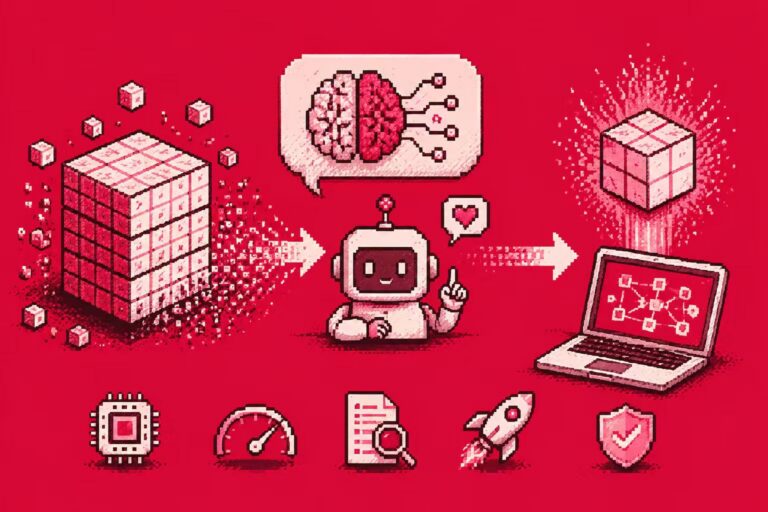
Vibe coding, a term coined by OpenAI co-founder Andrej Karpathy in early 2025, is the revolutionary practice of using artificial intelligence (AI) tools to generate code based on natural language prompts. Instead of manually coding line by line, developers describe what they want, and the AI handles the implementation. This approach has gained significant traction, with a quarter of startups in Y Combinator’s current cohort and a substantial portion of Google’s new code being AI-generated. The term “vibe coding” reflects a culture of embracing AI's capabilities to reduce technical barriers and expedite development. It emphasizes the use of intuitive interaction with AI tools, allowing even those without formal coding backgrounds to create sophisticated applications. However, this shift has sparked both enthusiasm and concern within the tech community. Industry Adoption and Impacts Startups and Tech Giants Startups like Lovable and Windsurf are already offering lucrative salaries for "vibe coder–AI engineers," emphasizing tools over formal degrees. DV8 Infosystems, among others, is hiring based on mindset and AI tool fluency, signaling a significant change in the hiring landscape. Sundar Pichai, Google's CEO, has reported that AI systems now generate a quarter of the new code for the company’s products. This rapid adoption suggests that AI is becoming a core part of software development, potentially redefining the role of developers. Self-Taught Developers For self-taught developers, the rise of vibe coding is a double-edged sword. On one hand, it promises more accessible entry into the tech field and fewer gatekeepers. On the other hand, it raises concerns about the future of software engineering and the craft's essential skills. Many self-taught developers have honed their skills through trial and error, meticulous research, and hard-won experience. Vibe coding's ease and reliance on AI-generated code could diminish the value of these traditional methods. Challenges and Limitations While the concept of vibe coding is appealing, it has its challenges. The author of this article, a self-taught developer, put vibe coding to the test by attempting to build a 2D isometric game similar to Stardew Valley. Despite initial excitement and some successes, the author encountered significant frustration: Inconsistencies in AI Output: The AI tool sometimes wrote multiple files correctly, leading to moments of triumph. However, it also frequently got stuck in loops, repeatedly guessing and failing to solve issues. Need for Human Expertise: Even with AI assistance, the author had to intervene to engineer solutions to problems. This highlights that while AI can assist, it cannot replace the critical thinking and problem-solving skills of human developers. Asset Creation: Asset creation, which includes designing graphics and user interfaces, remains a human-intensive task. AI can generate code but not necessarily the creative elements required for a polished application. These limitations suggest that vibe coding is not a silver bullet and that developers, even those using AI tools, still need a strong foundation in software engineering principles. Hiring and Compensation Companies are actively hiring vibe coders, with some roles offering salaries as high as $200,000. This trend is changing the definition of a "technical founder," with investors now valuing domain expertise and the ability to leverage AI tools over traditional coding skills. For instance, Lovable and Windsurf are looking for candidates who can effectively use AI to build and scale their products, rather than those with advanced computer science degrees. However, this shift also raises questions about the long-term implications for software engineering as a profession. While vibe coding opens new doors for individuals with non-traditional backgrounds, it could also challenge the established pathways and skill sets that have defined the industry. Final Thoughts Vibe coding represents a significant shift in how the tech industry approaches software development. It democratizes access to coding, making it easier for non-technical individuals to enter the field. However, it also necessitates a reevaluation of what it means to be a software engineer. The ability to leverage AI tools effectively is becoming increasingly important, but it does not obviate the need for deep technical knowledge and problem-solving skills. Industry Insights Industry insiders view vibe coding as a transformative but complex phenomenon. While it promises to accelerate development and open opportunities for a broader range of individuals, it also poses challenges for maintaining code quality and ensuring long-term maintainability. Companies that are hiring vibe coders are recognizing the potential of AI but are also placing a premium on those who can integrate AI tools with traditional engineering practices. This hybrid approach is likely to shape the future of software development, where AI serves as a powerful assistant rather than a replacement for human expertise. Company Profiles OpenAI: A leading AI research organization co-founded by Andrej Karpathy, whose large language models (LLMs) form the backbone of many vibe coding tools. Y Combinator: A renowned startup accelerator that has seen a surge in AI-generated code among its current cohort, reflecting the broader trend in the tech ecosystem. Google: A tech giant that is increasingly integrating AI into its development processes, as evidenced by Sundar Pichai’s reports on AI-generated code. Lovable and Windsurf: Startups that are at the forefront of hiring vibe coders, showcasing the growing demand for AI tool fluency. DV8 Infosystems: A company that emphasizes mindset and AI tool proficiency over formal education, illustrating the evolving hiring criteria in the industry. Vibe coding is here to stay, but its impact on the tech industry and the role of human developers remains to be fully understood. The next few years will be crucial in determining whether this trend is a passing phase or a fundamental shift in software development.